The materials you need
You don’t need many or expensive materials, but you do need the right ones. Boxes matter most: choose strong double-walled boxes for heavy fragile items like plates, and small or medium boxes rather than large ones — a large box full of glass is very heavy and easy to drop.
- Strong small and medium boxes, and divided boxes for glasses if you can find them.
- Clean, unprinted packing paper — newspaper ink can mark plates.
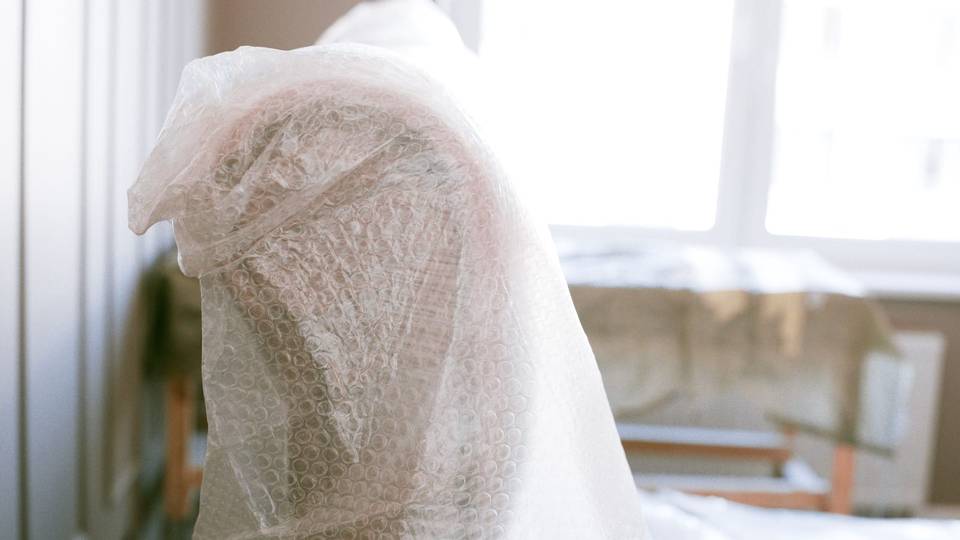
- Bubble wrap for the most delicate items.
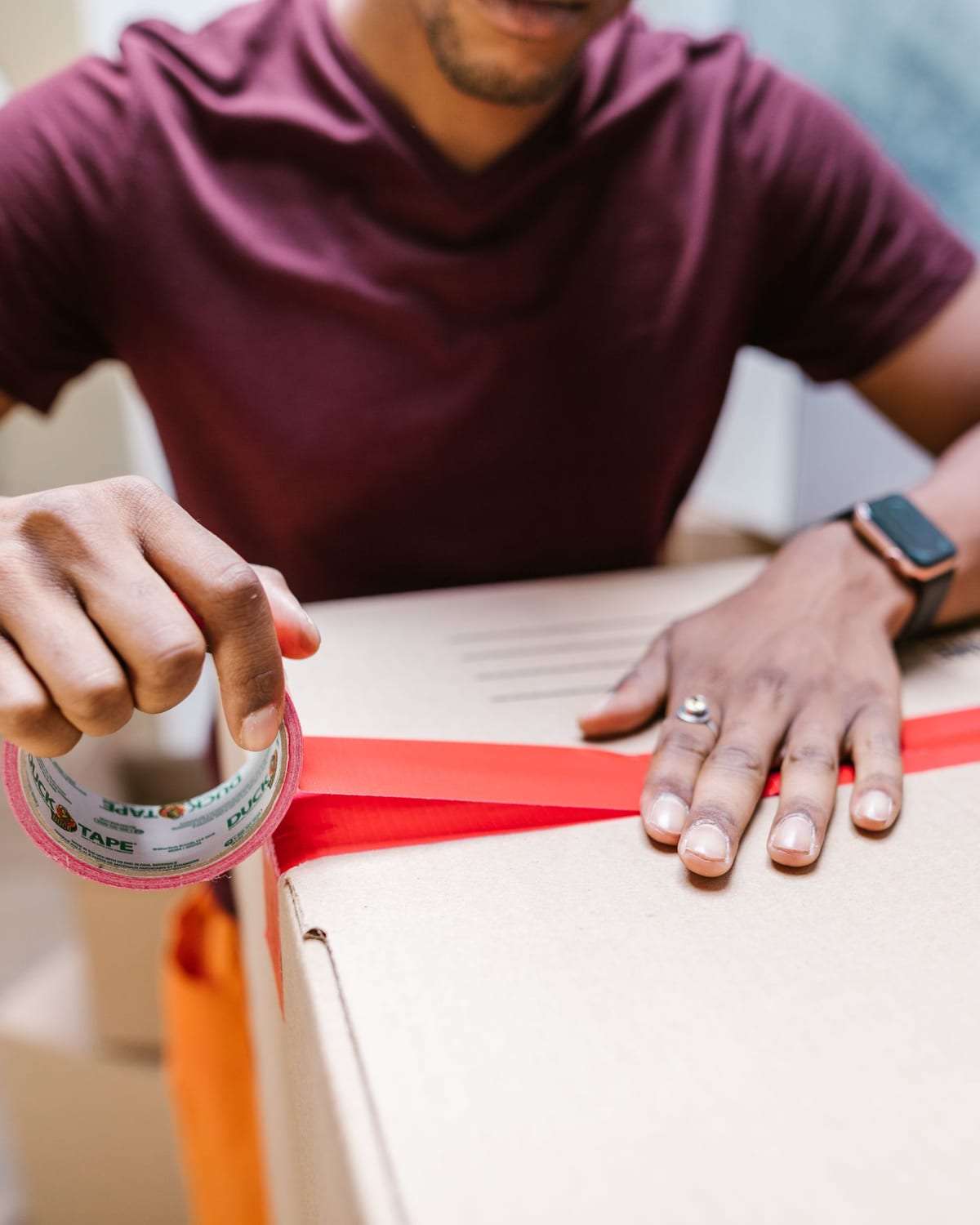
- Strong tape and a thick marker for labelling.
- Blankets or old fabric to fill gaps.
- Stiff cardboard to protect corners and glass surfaces.
The golden rule: no gaps, no movement
Line the bottom of every box with crumpled paper or bubble wrap — it absorbs the shock when the box is set down. Then wrap each piece on its own, heaviest at the bottom and lightest on top. When the box is full, fill the gaps with crumpled paper until nothing moves when you gently shake it. If you hear rattling, add more filling.
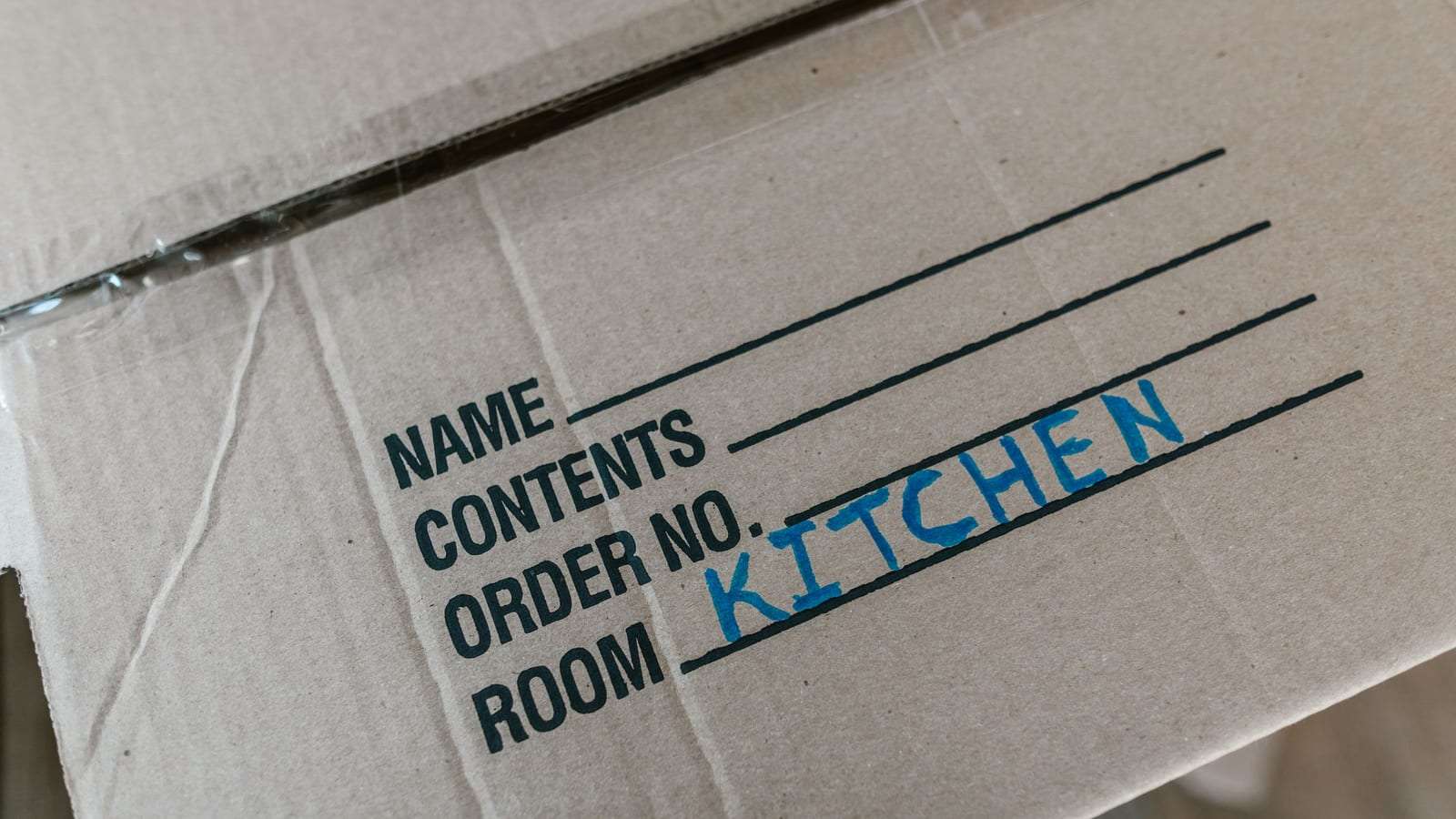
Don’t overfill until the lid bulges — a bulging lid presses on what’s inside when other boxes are stacked on top. Tape the box top and bottom, write “fragile” and the room on it, and draw an arrow showing which way is up.
Plates and dishes
The common mistake is stacking plates flat, which concentrates pressure in the middle and cracks them. Instead, wrap each plate in packing paper and stand it on its edge in the box, like files in a drawer — the edge is stronger than the centre. Put large plates at the bottom and small ones above, with a layer of crumpled paper between rows.
Deep bowls and glass dishes are wrapped individually, with crumpled paper stuffed inside before wrapping the outside.
Glasses and cups
Stuff the inside of each glass with crumpled paper first, then wrap the outside with one or two sheets; wrap thin stems separately with an extra layer. Put glasses at the top of the box, above heavier items, or in a divided box. Cups are wrapped one by one, with extra protection for the handles, their weakest point.
If you have valuable or heirloom sets, it’s better to carry them in your car or ask the crew for special packing.
Screens and electronics
The original box is the best protection for a screen, so use it if you kept it. If not, wrap the screen in bubble wrap with extra protection for the edges and corners, then put it in a box of its size or between two sheets of stiff cardboard. Most importantly, keep it upright throughout the move, never flat, with nothing on top.
Before disconnecting, photograph the cables at the back, and put the cables and remote for each device in one labelled bag. In summer don’t leave electronics in a hot car, and in cold winters let them reach room temperature before switching on.
Mirrors, paintings and large glass
Put tape in an X across the mirror or glass — it won’t prevent breakage, but it holds the pieces together if it breaks. Protect the corners with cardboard corners, wrap the piece in bubble wrap or a blanket, and sandwich it between two sheets of stiff cardboard. Mirrors and paintings travel upright on their edge, leaned against something stable, never flat.
Large glass, such as glass table tops, usually needs a wooden crate or crew packing, so don’t try to move it alone.
Chandeliers and ornaments: when to leave them to the crew
Large chandeliers need to be taken down from the ceiling safely, with the power off and the hanging parts removed one by one — not a job to do yourself. Ask the company or an electrician, and mention it in the moving request so it’s priced in. The same goes for valuable ornaments and large, irregular pieces; some companies build special crates for them.
If you have something irreplaceable, ask the company directly what happens if it’s damaged and whether special goods-in-transit cover can be arranged for it — or move it yourself.
Small kitchen appliances and heavy fragile pieces
Small kitchen appliances such as coffee machines, blenders and microwaves travel best in their original boxes. If you don’t have them, empty the appliance completely of water and food, remove glass and moving parts and wrap them separately, then box the appliance with filling on every side. Keep small parts in a bag with the appliance so they don’t get lost.
Heavy fragile pieces, such as large ceramic pots and stone vases, shouldn’t share a box with other things — give each its own box of its size, with dense filling, and put nothing on top. Write “heavy and fragile” on the box so it’s carried with both hands.
Labelling and grouping the boxes
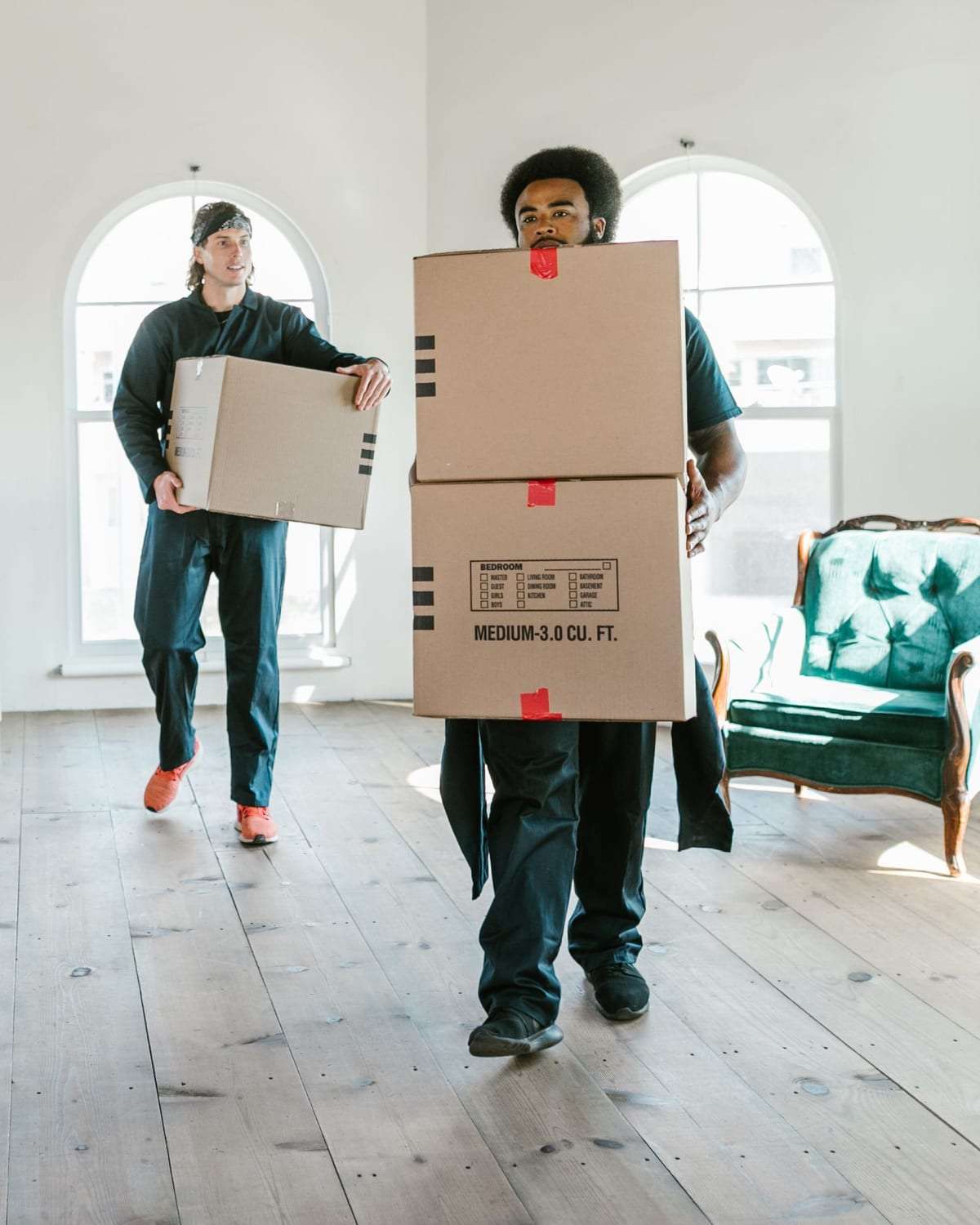
A fragile box nobody knows is fragile gets treated like any other. So label at least two sides, not just the lid, because lids disappear when boxes are stacked. Write “fragile” large, the room, and a short note such as “glasses” or “serving plates”. If you use colours for rooms, give fragile boxes a distinct colour too.
Group these boxes in one room near the door before the crew arrives, so they’re carried together and loaded together.
On moving day
Tell the crew which boxes are fragile and keep them in one place so they’re carried carefully and loaded on top of heavy boxes, not under them. On arrival, open them first and check the contents before the crew leaves, photographing any breakage. Read what to check on moving day.
FAQ
Is newspaper good enough for packing?
It can work as filling, but its ink can mark plates and fabrics. Use clean packing paper for the items themselves.
Should plates go in bubble wrap?
Packing paper is enough for ordinary plates if they stand on edge with good filling. Use bubble wrap for the most valuable and delicate pieces.
Can I leave all the packing to the company?
You can, or pack ordinary items yourself and leave screens, mirrors and chandeliers to the crew. Choose packing among the extras in the request.
How do I know a box is full enough?
Shake it gently: if you hear no movement or rubbing and the lid is flat, it’s ready.
This guide is general information. Building rules, roads and seasons can change, and details such as the price, what the offer includes and how damage is handled are agreed with the moving company you choose — confirm them in writing before moving day.