Before loading: photos and a list
Before the crew starts, photograph large furniture, appliances and valuable items from several angles, focusing on any existing scratch or damage so it isn’t blamed on the move later. Phone photos are fine — just make sure they’re clear and dated.
Then write a list of the large pieces and the number of boxes, or ask the crew to count with you. For intercity moves or storage, ask the crew to sign the list or take a copy. Read the long-distance moving guide.
During loading
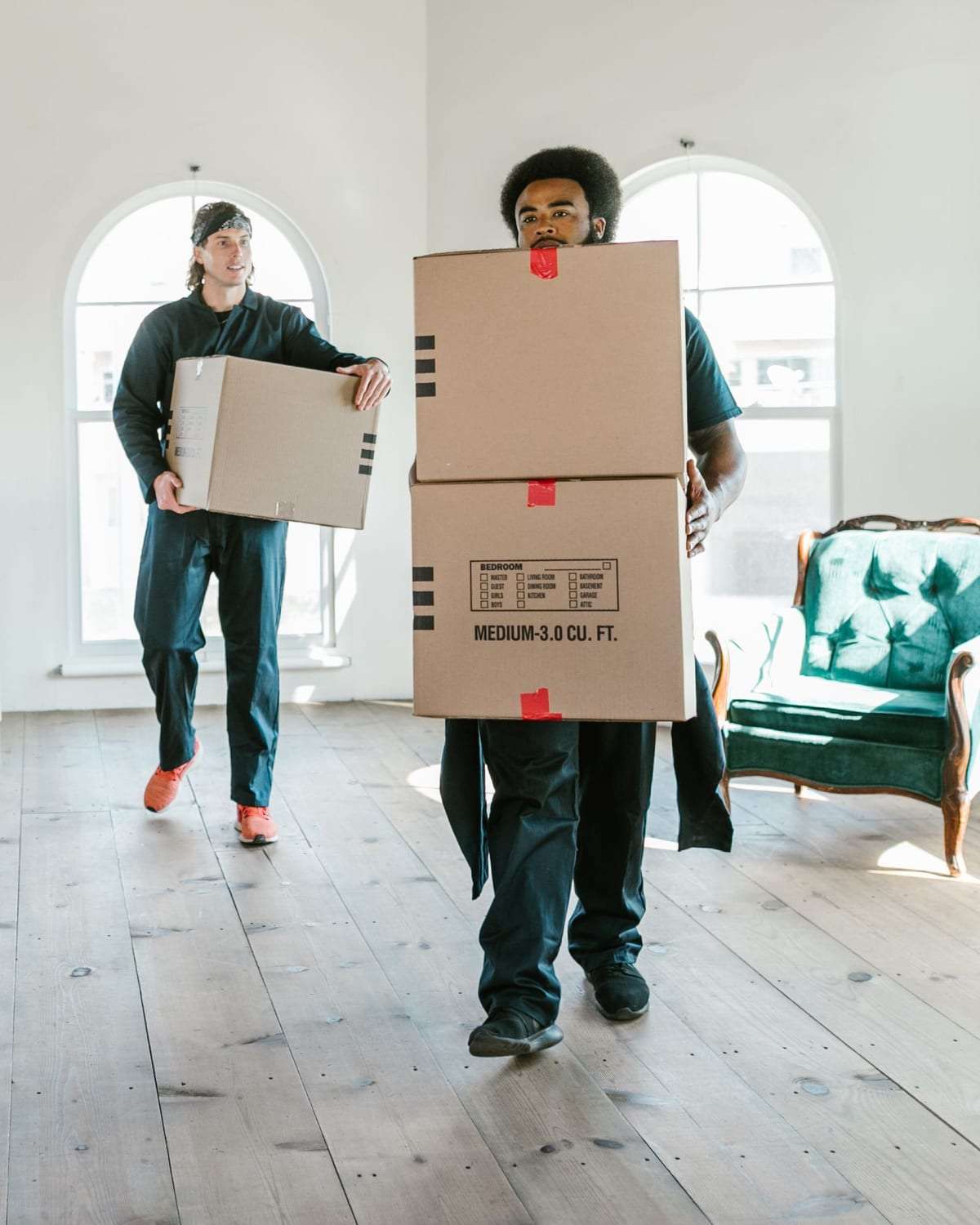
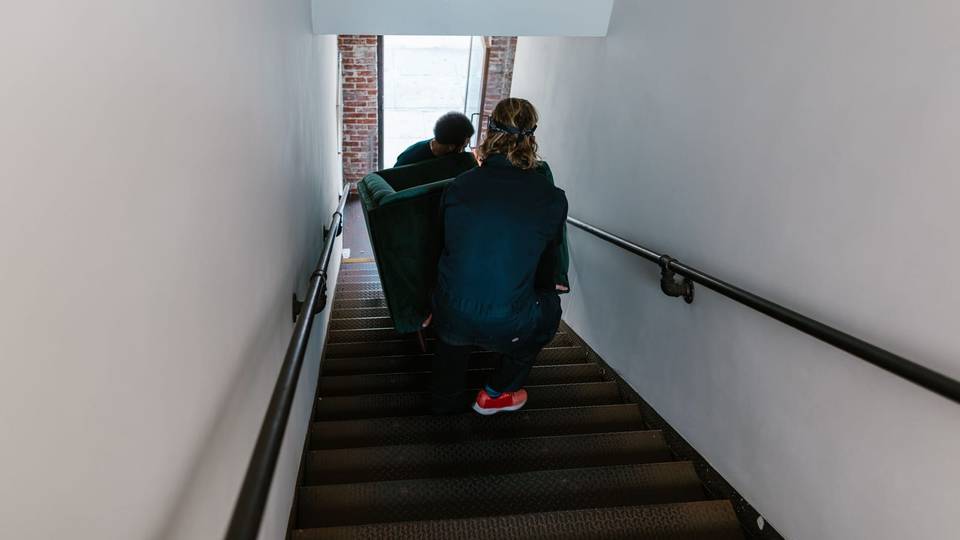
You don’t need to stand over the crew, but be there to answer questions and point out delicate pieces. Check that fragile boxes go on top of heavy ones, not under them, that furniture is wrapped before it’s carried down the stairs, and that screens are carried upright.
If you notice something being damaged, or carried in a way that might damage it, say so calmly there and then. A word during the work is much easier than a dispute after it.
Before leaving the old home
- Walk every room: cupboards, drawers, under beds, behind doors.
- Check the storeroom, balconies, roof, yard and laundry.
- Make sure what stays has stayed and everything going has gone.
- Photograph the empty home if you rent — the photos help at handover.
- Turn off water, power and gas if needed, and close the windows.
On arrival: count the boxes first
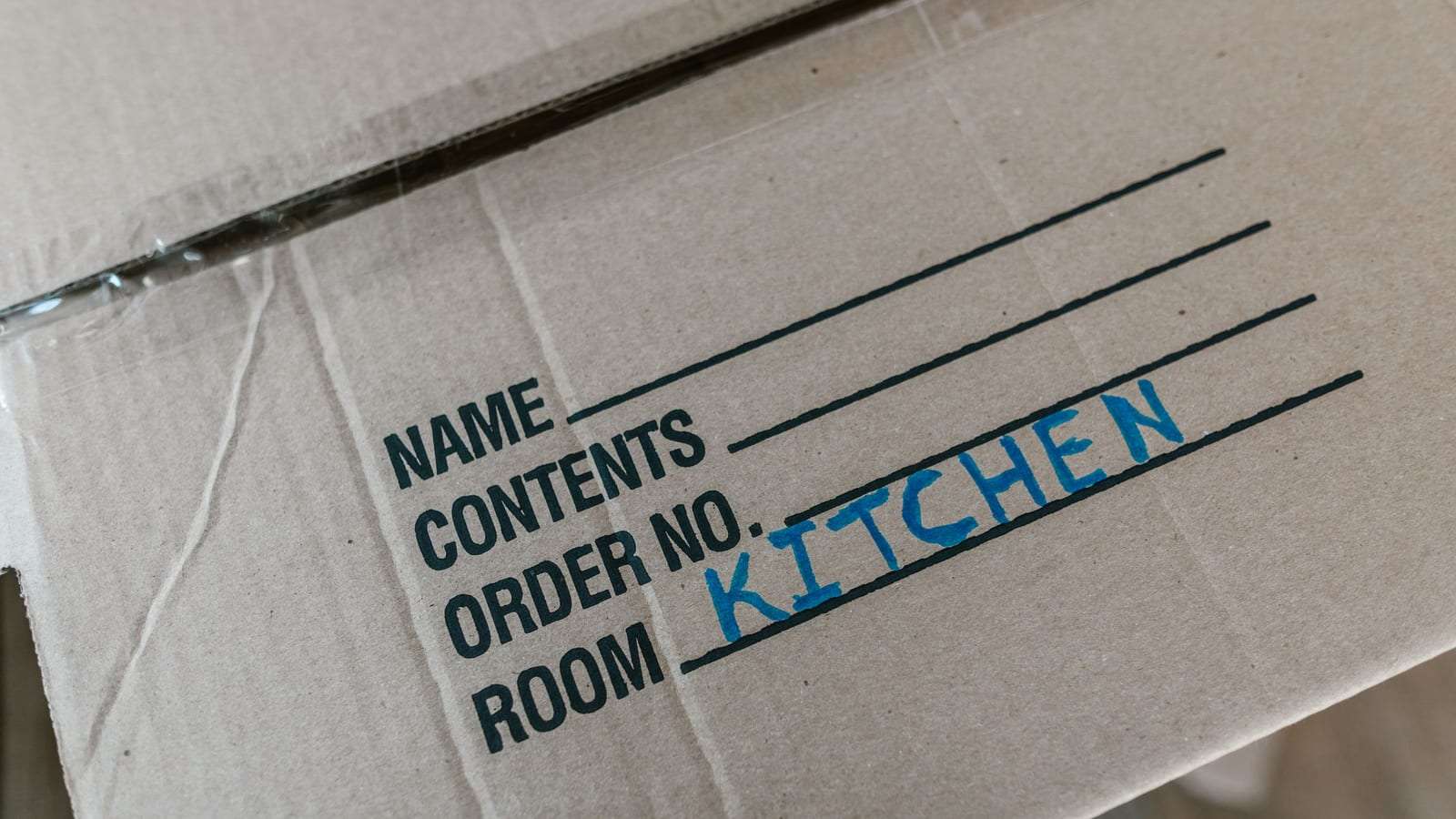
When the truck arrives, start by counting: have all the large pieces arrived? Does the number of boxes match the list? Missing items are easier to spot as things come in than after they’re spread through the rooms. Ask the crew to put each box in the room written on it — it saves you hours.
Check furniture and appliances
Before the crew leaves, check the large furniture: any new scratches or breaks compared with the photos? Are legs and handles in place? Check appliances from the outside: screens, fridge, washing machine. Wait a few hours before switching on the fridge if it travelled on its side, but check its outside now.
Open boxes marked “fragile” first, or at least shake them gently to hear any breakage. For what you can’t open now, agree a period with the company for reporting any issue.
Check the reassembly
- Wardrobes: are the doors level and closing properly? Do drawers slide easily?
- Beds: are they firm without wobbling or creaking?
- Tall wardrobes and shelves: fixed to the wall if you agreed that?
- AC units: running and cooling? Any water leaking from the indoor unit?
- Kitchen: is the sink connected without leaks? Are the cabinets level?
If something isn’t right, ask for it to be adjusted before the crew leaves — getting them back for a small fix is harder.
Don’t forget what comes after the crew
Once the crew has assembled the furniture and placed the boxes, a few things still need attention: will the company take the empty boxes and packing materials, or do they stay with you? And are there leftover screws or small parts — has everything been fitted, or is something missing from its place? If there are spare screws, ask the crew before they leave; they may belong to an unfinished piece.
Also check that the building’s corridors and lifts weren’t damaged during the move — some towers inspect them afterwards and ask for repairs. If there’s damage, record it with the company the same day.
Intercity moves and storage
If your things spent days on the road or in a warehouse, checking matters even more. Compare what arrived with the signed inventory piece by piece, and look for damp, smells or cracks, especially if things came from a coastal city or an unconditioned warehouse. Ask for delivery to be checked with the unloading crew present, not after they’ve gone. Read the furniture storage guide.
How to record damage or missing items
If you find damage or something missing, record it at once: photograph it, add a note to the agreement or send the company a message the same day, and ask the crew leader to see and acknowledge the damage. Don’t sign that everything arrived in good condition if it didn’t.
Then go back to the agreement: what did the company say about damage? Does it have goods-in-transit cover? What’s the deadline for a claim? Contact the company calmly and clearly, with the photos and the inventory.
If the dispute isn’t resolved
Most disputes are resolved when damage is documented from the start and the agreement is in writing. If you can’t reach a solution with the company, there are official consumer complaint channels you can use, with the agreement, photos and messages. Remember that SaudiMoving isn’t a party to the agreement between you and the company, but you can tell us about your experience via the contact page.
FAQ
Should I sign for delivery before checking everything?
Check what you can before signing and note any issue on the receipt. For what you can’t check, agree a reporting period.
What if I find damage after the crew has left?
Photograph it at once and tell the company in writing as soon as possible. The longer you wait, the harder it is to show the damage happened in the move.
Are phone photos enough?
Usually yes, if they’re clear and dated. Take them before loading and after arrival.
Should I open every box before the crew leaves?
No need, but open fragile boxes first and agree a period for the rest.
Who is responsible if something I packed myself breaks?
It depends on the company and the agreement; many take less responsibility for what they didn’t pack. Ask before the move.
This guide is general information. Building rules, roads and seasons can change, and details such as the price, what the offer includes and how damage is handled are agreed with the moving company you choose — confirm them in writing before moving day.