Start with the dates, not the price
A long move has three key dates: leaving the old home, loading, and receiving the new home. Any gap between them needs a solution: if you must leave the old home before you get the new one, you’ll need temporary storage or a truck that stays loaded for days — which costs money.
So sort out these dates first, then request offers. Give your preferred loading date in the request and say whether it’s flexible. Flexibility can get you a better offer, especially if the company is already planning a trip to the same city.
Dedicated or shared truck?
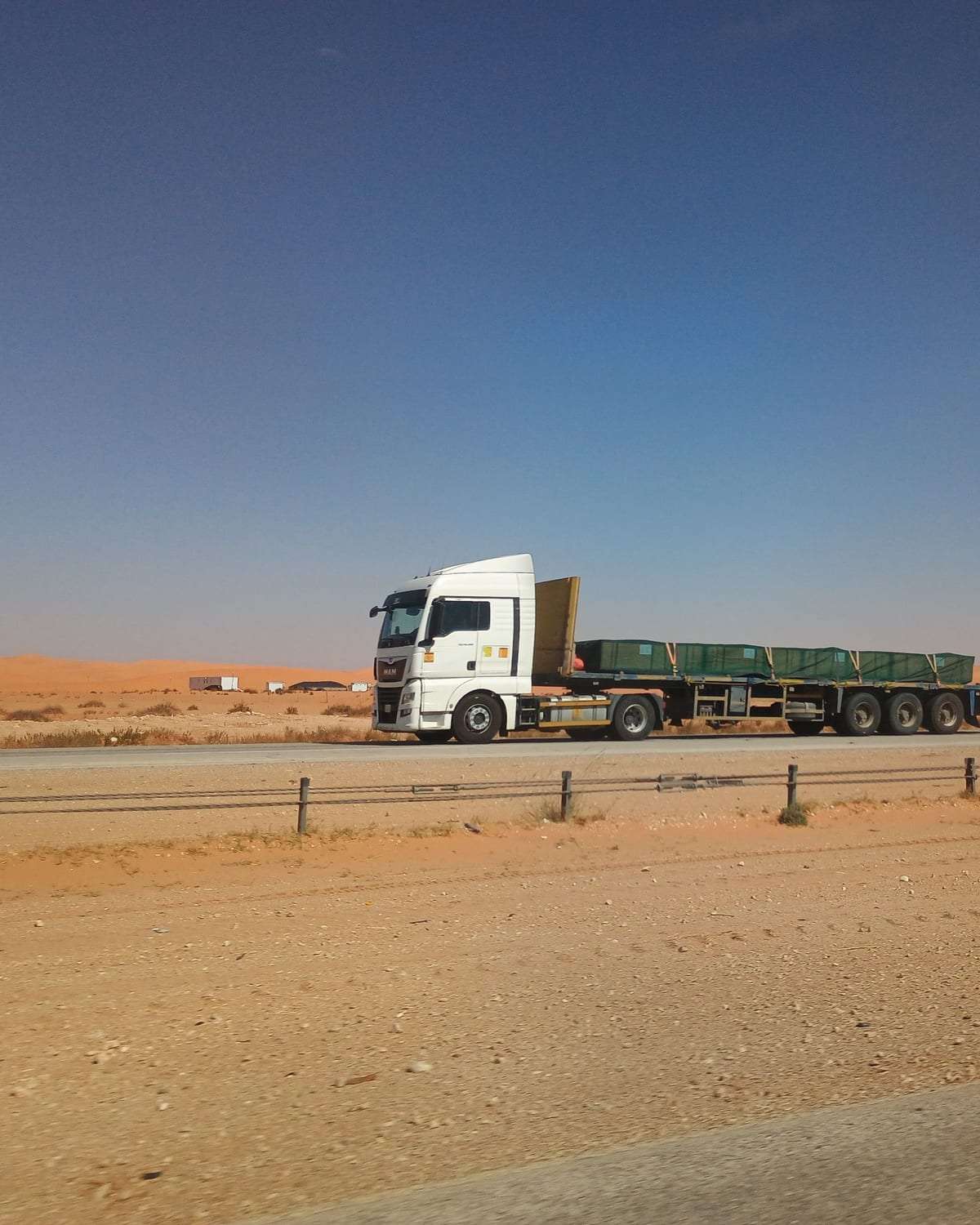
This is the most important question on a long move. A dedicated truck carries only your furniture, leaves straight after loading and arrives at a clear time. A shared truck combines several households in one trip and may stop to load or unload elsewhere, so the arrival time is less precise.
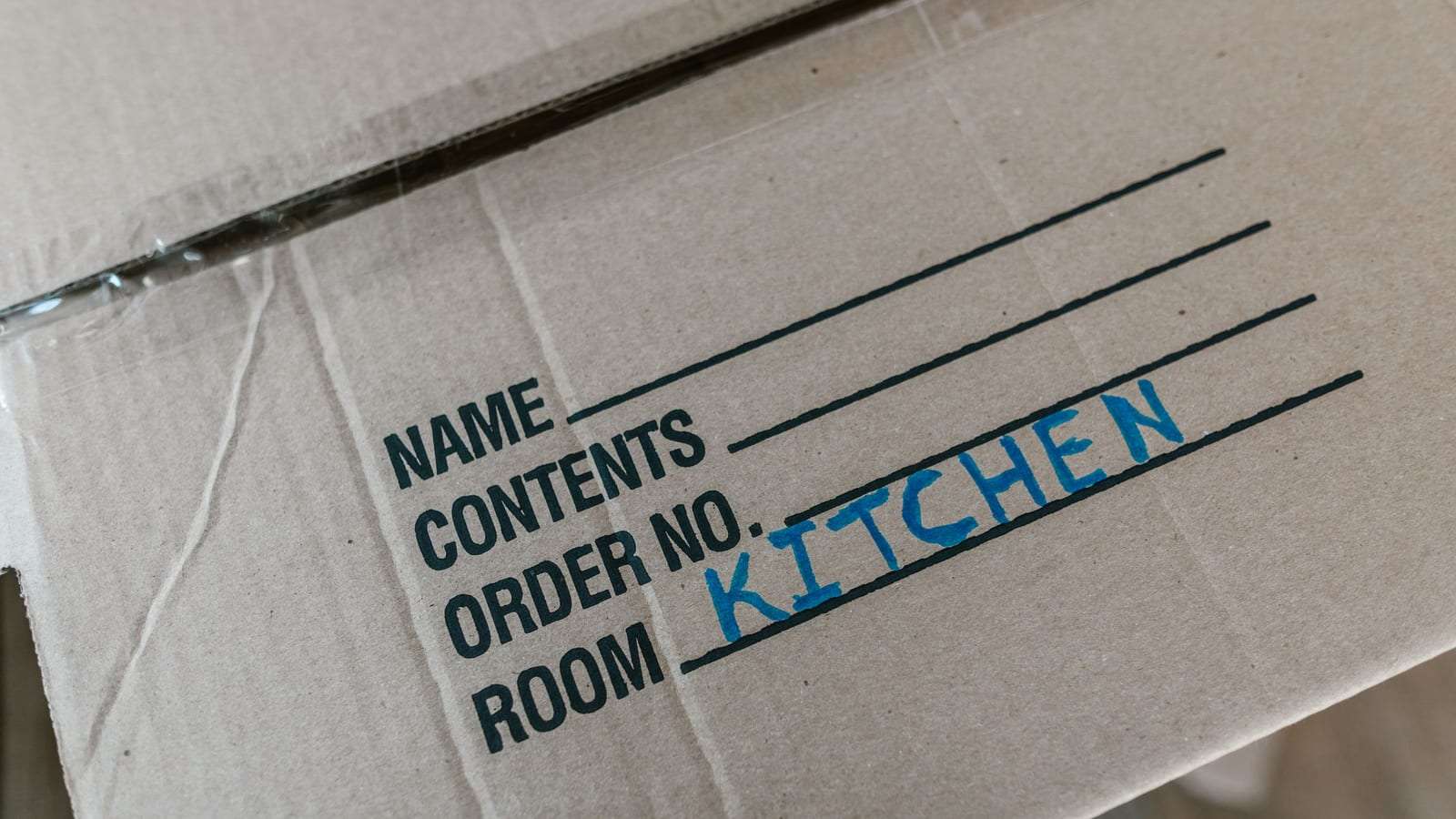
Shared can cost less, but needs more patience and organisation: excellent packing, clear labels with your name on every box, and an accurate inventory. Ask each company directly about the truck type and put it in the agreement.
Packing for the long road
Hours of highway vibration are harder on furniture than any staircase. Use strong new boxes, not used ones, fill them without gaps, wrap furniture in blankets and film, and protect corners. Dismantle what you can of large furniture — well-wrapped dismantled pieces are less likely to break.
If you’re moving between cities with different climates — dry Riyadh to humid Jeddah or the reverse — make sure everything is dry before it’s wrapped. Read the guide to packing fragile items.
The inventory and photos
On a long move you won’t see your furniture for hours or days, so protect yourself with a list and photos. List the large pieces and the number of boxes, photograph furniture and appliances before loading, and ask the crew to sign the list or take a copy. On delivery, compare what arrived with the list before the crew leaves.
Goods-in-transit cover
The longer the distance, the greater the chance of accidents and damage. Ask the company: what happens if something is damaged? Does it have cover for customers’ goods in transit, and what are its terms and limits? Can extra cover be arranged for valuable pieces? Don’t settle for a verbal answer — ask for the terms in writing.
If you have something irreplaceable — documents, jewellery, family photos — don’t ship it with the furniture; carry it yourself.
Licences and paperwork
Moving goods by truck between cities requires the company to hold a licence as well as a commercial registration. Ask the company about both before agreeing. You usually don’t need special papers to move your own furniture, but keep the written agreement, the inventory and the photos.
What not to ship with the furniture
Some things don’t belong in a moving truck — because they’re dangerous, perishable or irreplaceable. Ask the company for its list, and usually avoid:
- Gas cylinders, fuel and flammable materials.
- Open household chemicals and paints.
- Perishable food and house plants.
- Medicines you need in the first days.
- Cash, jewellery and important documents.
Get rid of what you don’t need before the move and carry what you do — safer for you, your furniture and the crew.
What affects the cost of a long move?
Distance isn’t the only factor. The volume of furniture sets the truck size; a dedicated or shared truck changes the cost a lot; floors and lifts at both ends set the crew size and time; and extras such as packing, dismantling, reassembly, AC removal and storage add to the offer. The date matters too — seasons, holidays and month ends are in higher demand. Read about moving cost factors.
Your own journey
Many people fly or drive and leave the furniture with the company. If you do, carry a bag for the first days: clothes, medicines, documents, chargers and bedding — the furniture may arrive a day or more after you. If you have a second car, ask whether the company moves cars; it’s a different service that not every moving company offers.
Receiving in the new city
Arrange who receives the furniture if you’re not there: a relative or friend you trust, with a copy of the list. Book the service lift in the new home and arrange a truck entry permit if it’s in a compound. Send the company the exact location and ask the driver to call well before arriving.
On delivery, check the furniture before the crew leaves and record any issue with photos and in the agreement. Read what to check on moving day.
Questions to ask every company
- When is loading, when is the expected arrival, and what happens if the truck is late?
- Is the truck dedicated to my move or shared?
- Does the offer include dismantling and packing in the first city and reassembly in the second?
- Does the same crew unload and reassemble, or a different crew in the new city?
- What happens if something is damaged, and can goods-in-transit cover be arranged?
- Can furniture be stored temporarily in the new city if I need it?
FAQ
How long does a move between distant cities take?
It depends on the distance and the truck. On long distances delivery is usually a day or more after loading. Ask for the date and write it down.
Is a shared truck safe for my furniture?
It can be suitable with excellent packing, your name on every box and an accurate inventory — but the arrival date is less precise.
Do I need papers to move my furniture to another city?
You usually don’t need anything special to move your own furniture. Keep the agreement and inventory; the company is responsible for transport licences.
What if I arrive before I get the new home?
Arrange temporary storage with the company, or agree to delay loading so the dates line up.
Can I move just a few items to another city?
Yes — choose “some items” in the request. A shared truck can suit small moves.
This guide is general information. Building rules, roads and seasons can change, and details such as the price, what the offer includes and how damage is handled are agreed with the moving company you choose — confirm them in writing before moving day.