Half of a safe move happens before loading
Packing and wrapping: protect your furniture before it leaves home
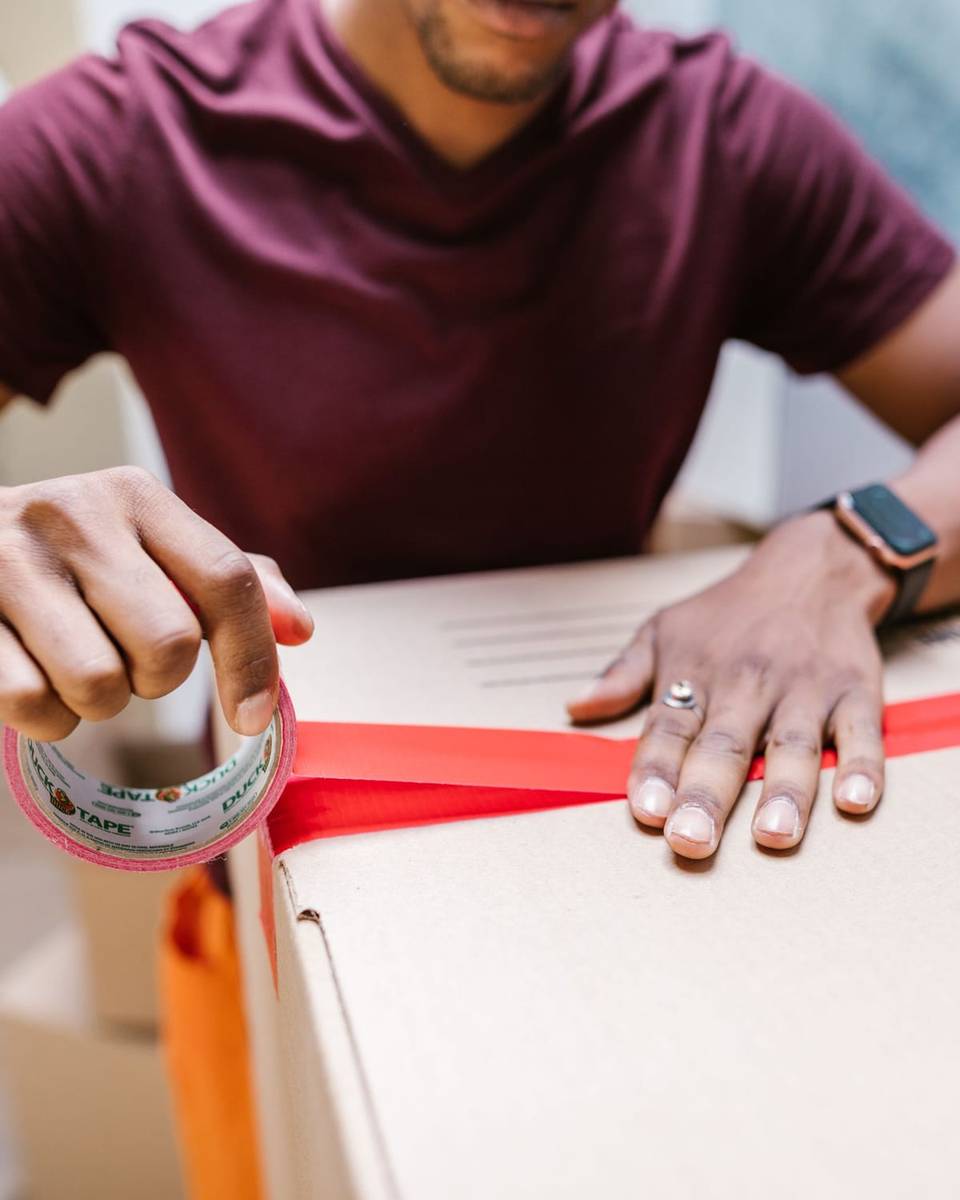
Most scratches and breakages in a move come from weak or rushed packing: a sofa without film, a glass table without corner protection, plates in one box with no dividers. Good packing protects furniture not only on the road but on the stairs, in the truck and while unloading at the new home.
You can ask for full packing, or furniture wrapping only while you pack your own things. Through SaudiMoving your request reaches moving companies in your city, who quote with the materials, crew and time involved.
What does packing include?
Boxes
Boxes in several sizes for clothes, books, kitchenware and toys, taped and labelled with the room name.
Stretch film
Wrapped around sofas, mattresses and upholstered furniture against dust and dirt.
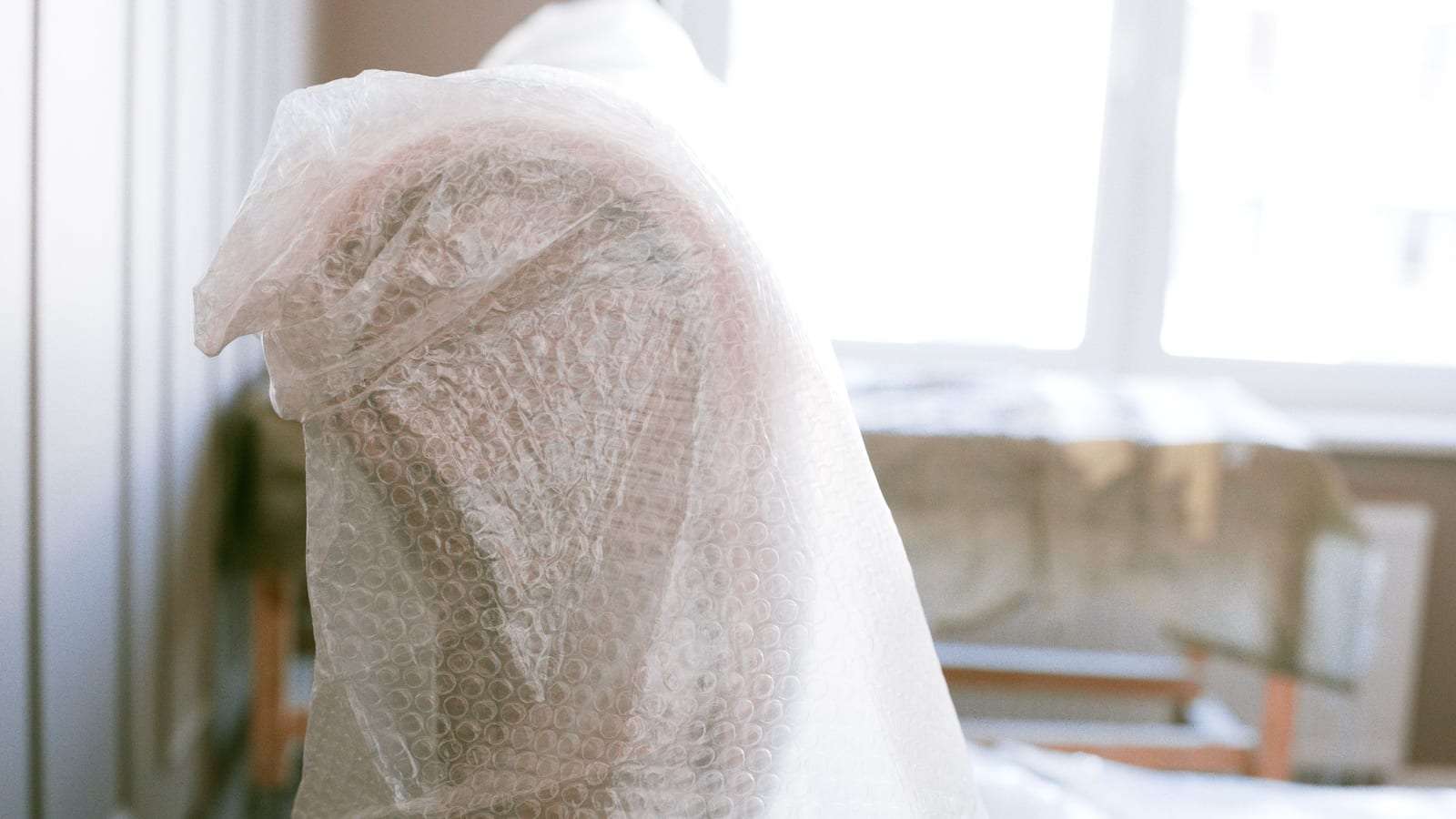
Bubble wrap
For glass, mirrors, decorative pieces, electronics and screens.
Blankets and corrugated board
To protect wood and marble from scratches, with corner guards for edges.
Kitchenware
Plates and glasses wrapped one by one and packed upright in dedicated boxes.
Packing for storage
Heavier wrapping for furniture that will spend time in storage.
How packing should be done
For larger homes packing usually starts a day or more before moving day: things you don’t need — books, out-of-season clothes — go first, then the kitchen, and on the day the large furniture is wrapped after it is dismantled.
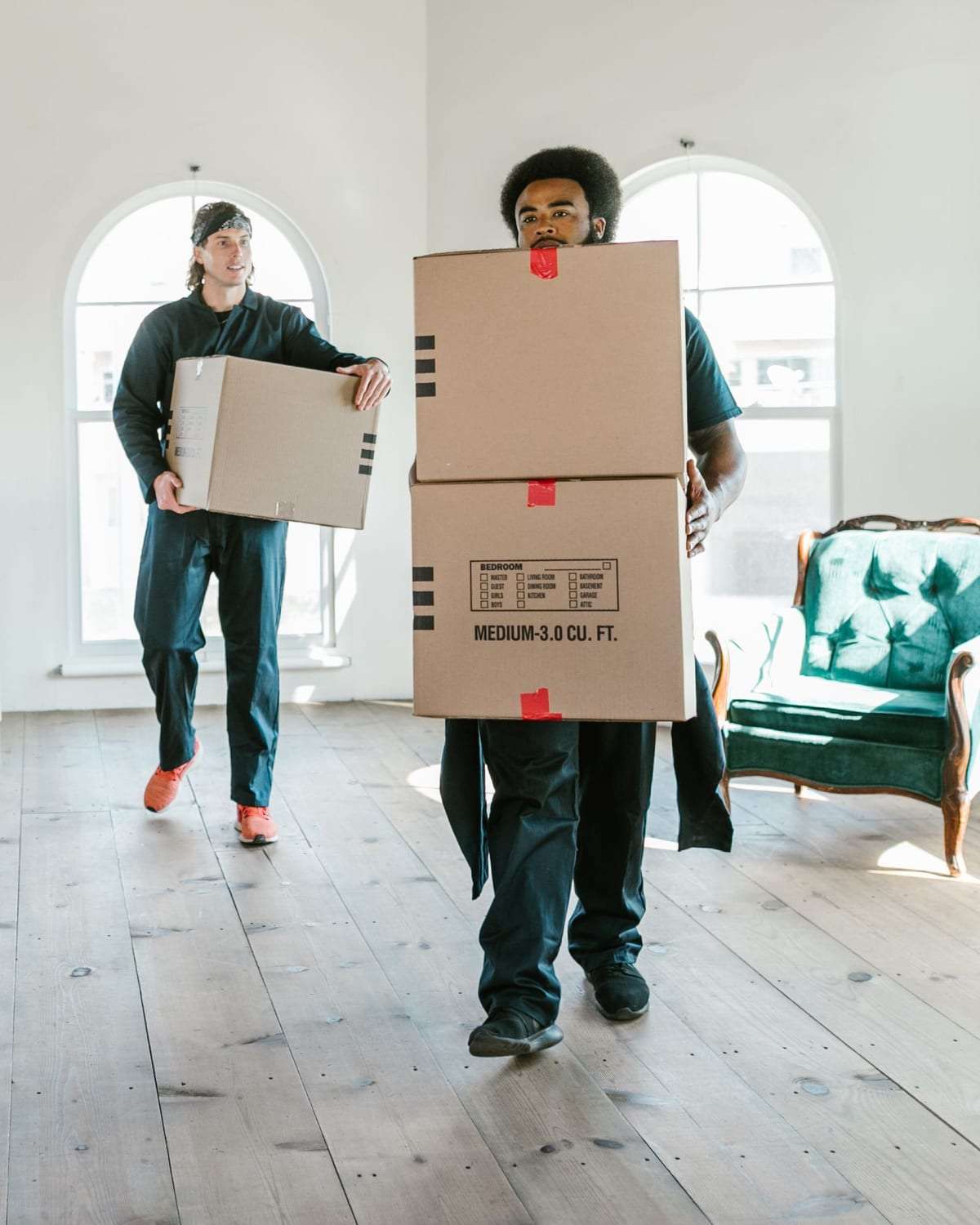
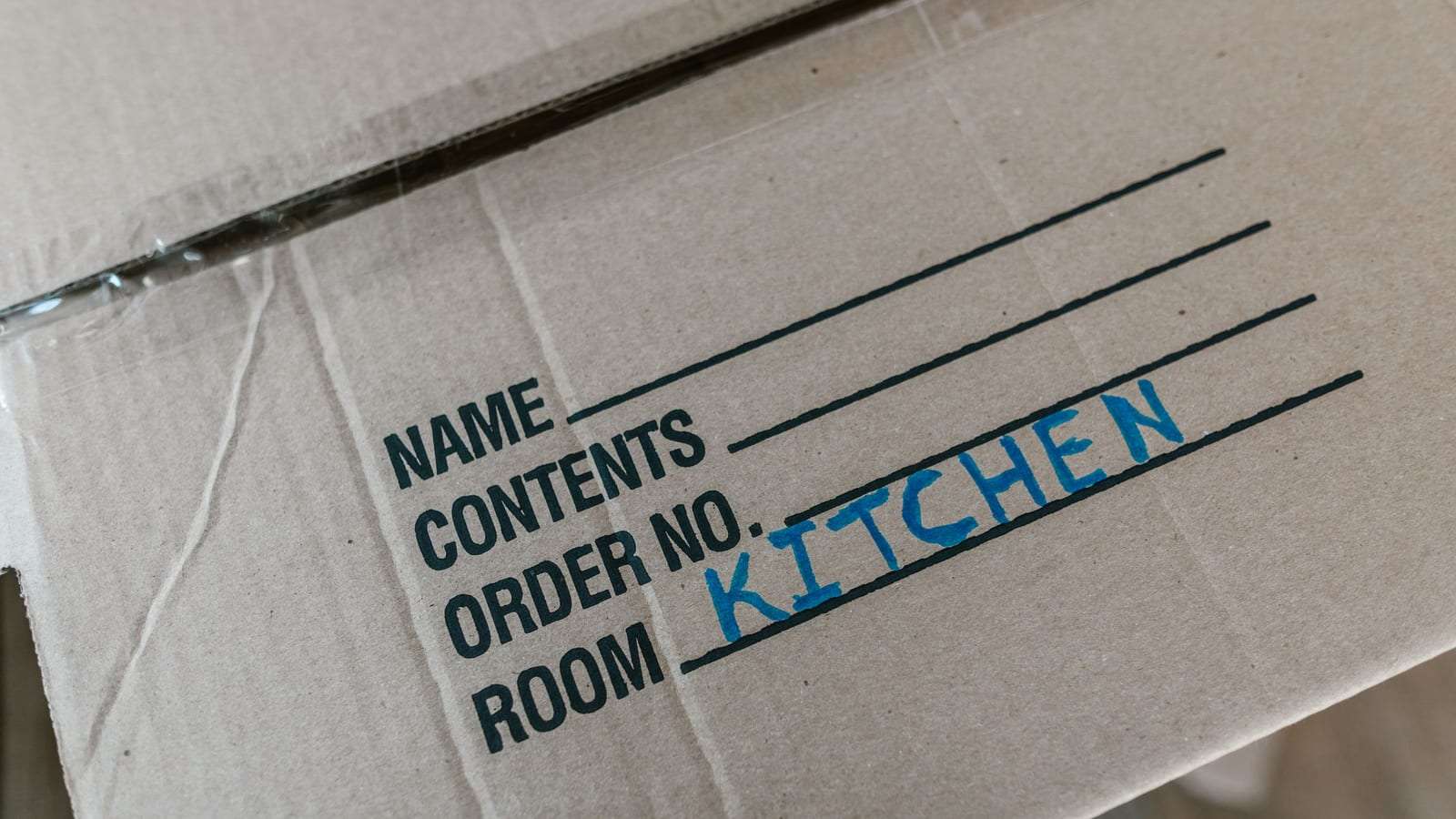
The simple rule: heavy items in small boxes, light items in large ones, and no empty space inside a box so nothing shifts. Glass is wrapped and packed upright; electronics are bubble-wrapped and, if possible, put back in their original boxes. Each box gets the room, the contents and a fragile mark if needed.
Read the method in detail in how to pack fragile items, glass and electronics.
Each room has its own method: in the kitchen plates and glasses are wrapped one by one and packed upright, with heavy pots in small boxes. In bedrooms clothes are folded into boxes, or hung in wardrobe boxes where available. In the living room screens go in bubble wrap and table corners are protected. In bathrooms bottles are closed tightly and bagged inside the boxes so nothing leaks.
What to prepare before packing
- Get rid of what you won’t move before packing — every extra box means time and cost.
- Keep important papers, gold and medicines in a bag that stays with you.
- Decide what you will pack yourself and what the company packs, and say so in the request.
- Set aside a spot in each room for sealed boxes.
- Photograph appliance connections before unplugging to make reinstalling easier.
Common packing problems
Weak boxes
Heavily reused boxes collapse under weight. Ask the company what boxes it uses.
Glass packed with other things
Glass packed with heavy items is a common cause of breakage. Glass goes on its own, clearly marked.
Film over damp wood
Wrapping damp wood or mattresses in film can cause smells or stains, especially in long storage.
Unlabelled boxes
Unpacking turns into a long search. Write the room and contents on two sides.
Questions to ask the moving company
- Are packing materials included in the price or charged separately?
- Which materials: new boxes, film, bubble wrap, blankets, corner guards?
- Do you wrap kitchenware and glass piece by piece?
- Is packing on moving day or before?
- Do you unwrap and take the waste away at the new home?
What affects the price of packing?
We don’t quote prices — they vary between companies. The main factors:
- Amount of belongings
The expected number of boxes; the kitchen uses the most material and time.
- Type of materials
Bubble wrap, corner guards and special kitchen boxes cost more but protect more.
- Full or partial packing
Wrapping furniture only differs from packing the whole home.
- Moving distance
Moving between cities and storage need stronger packing.
Read our moving cost guide.
Packing FAQ
Should I pack my own things?
You can, to save some cost — but leave large furniture, glass and electronics to the crew; they are the most likely to be damaged.
When does packing start?
For small apartments moving day is usually enough. For large homes packing starts a day or two before.
Does furniture need different packing for storage?
Yes — stronger wrapping, never wrapping furniture while damp, and a little ventilation for some pieces. Ask the storage provider for its advice.
Can I request packing without a move?
Yes, you can choose packing on its own — for example before storage or renovation.
Do you supply packing materials?
No. We don’t sell materials or do the packing. We pass your request to moving companies in your city that provide the service and materials.
How many boxes will I need?
It depends on the size of the home and the amount of belongings. Ask the company for its estimate once you’ve described the rooms and kitchen — it knows what each home needs.


Request packing offers
Describe what you want packed and the moving date, and let moving companies contact you with their offers.