A month before: the big decisions
This is when you decide what you’re moving and how. Walk through the home room by room and ask about every large piece: do I need it in the new home? Will it fit through the door and lift there? Furniture you don’t need costs you in packing, carrying and space — better to sell or donate it now than to discover on moving day that there’s nowhere to put it.
Then set a rough moving date and request offers. The earlier you request them, the more time you have to compare and ask questions, and the better your chance of a convenient date — especially at the end of the month, before the school year or after Eid, when demand rises. Read how to choose a moving company before you decide.
- Decide what to move, and what to sell, donate or dispose of.
- Measure doors, lifts and stairs in the new home if you can.
- Request offers from moving companies and compare them.
- If you rent, give your landlord notice as your contract requires.
- If the new home isn’t ready, consider temporary storage.
Two weeks before: bookings and permits
Once you’ve chosen a company and agreed the date, write down what you agreed: what the offer includes, how many crew and trucks, the start time, and what isn’t included. Then start the bookings moving day depends on.
Many towers and compounds require booking the service lift in advance, set moving hours, and may require a permit for the truck. If you need a crane for large furniture, ask building management about its rules. Don’t leave these to the last day — being turned away at the gate means a lost day.
- Book the service lift in both buildings and ask about permitted moving hours.
- Arrange a truck entry permit if either home is in a compound.
- Arrange electricity, water and internet transfer or activation at the new home.
- Arrange AC and kitchen removal and reinstallation if you need it. Read the guide to moving the kitchen and AC units.
- Buy packing materials if you’ll pack some things yourself.
A week before: packing and sorting
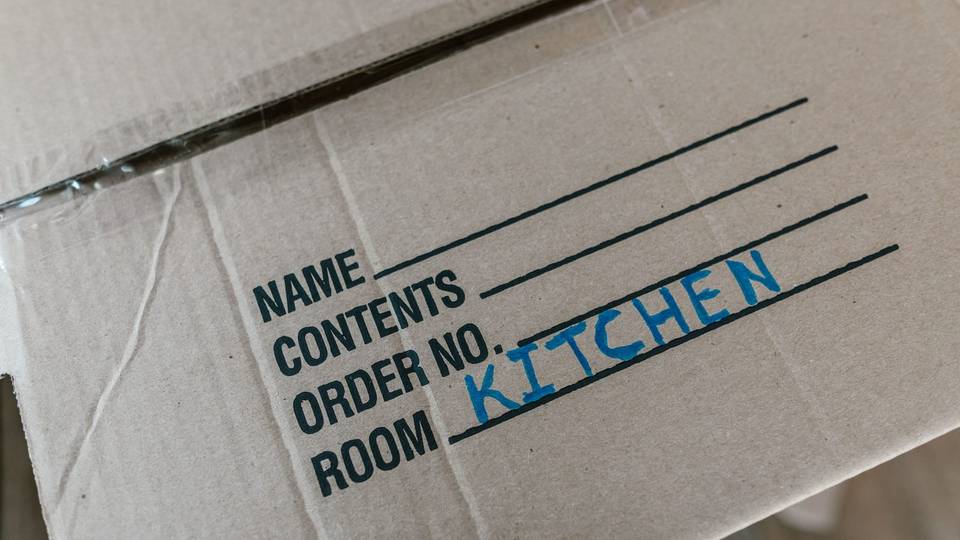
Start packing what you don’t use daily: books, decorations, off-season clothes and rarely used tools. Label each box with the room and a short note of the contents, and clearly mark fragile boxes. For easier unpacking, give each room a colour or number and stick the same number on that room’s door in the new home.
Pack fragile items carefully or leave them to the crew. Read the guide to packing fragile items for plates, glasses and screens.
- Pack non-daily items and label every box with its room.
- Photograph large furniture and appliances before the move — photos help if there’s a dispute about damage.
- Gather important documents, gold and cash in a bag that stays with you.
- Confirm the date with the company and send both locations.
The day before: final preparations
The day before the move is for appliances and bags. Empty the fridge and freezer, unplug them and let them dry — a fridge moved with water inside can soak the furniture. Disconnect the washing machine, drain it, and secure the drum if it has a transport bolt or lock.
Pack a first-night bag: clothes for a day or two, toiletries, medicines, phone chargers, bedding, some food and water, and simple tools like a screwdriver and scissors. Reassembly may run into the evening, and you won’t want to search dozens of boxes for a toothbrush.
- Empty and dry the fridge and freezer.
- Disconnect and drain the washing machine.
- Pack the first-night bag and the valuables bag.
- Leave a clear path from the rooms to the door.
Moving day
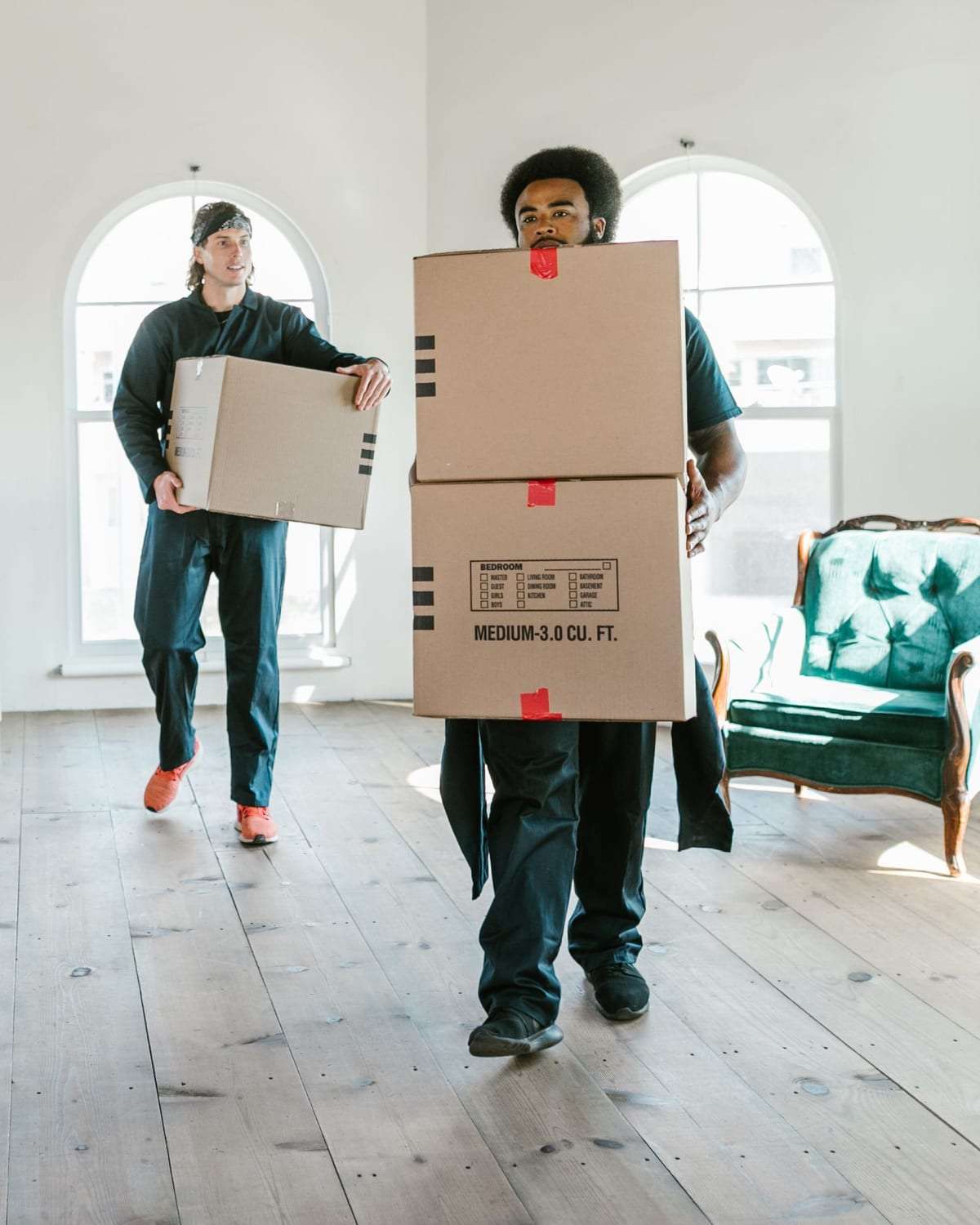
Be there when the crew arrives, or leave someone you trust. Explain what goes and what stays, and which pieces need special care. In summer, start as early as possible — midday work is exhausting for the crew and may be restricted.
Before leaving the old home, walk through it room by room: cupboards, drawers, balconies, the storeroom and the roof. Then hand over the keys and photograph the home’s condition if you rent. In the new home, tell the crew where each piece goes, so you’re not moving heavy furniture yourself after they leave.
Children and older relatives on moving day
Moving day is busy with heavy furniture and open doors — not a safe place for small children. If you can, leave them with relatives or someone who can look after them away from the home until loading is done. The same goes for older relatives: it’s better for them to arrive once their rooms are assembled and ready, not to spend the day among boxes.
Prepare one room in the new home first: an assembled bed, bedding, lighting and a working AC. It makes the first night calmer for everyone. If a family member needs medicines, put them in the first-night bag, not in the boxes.
After the move: the first night and first week
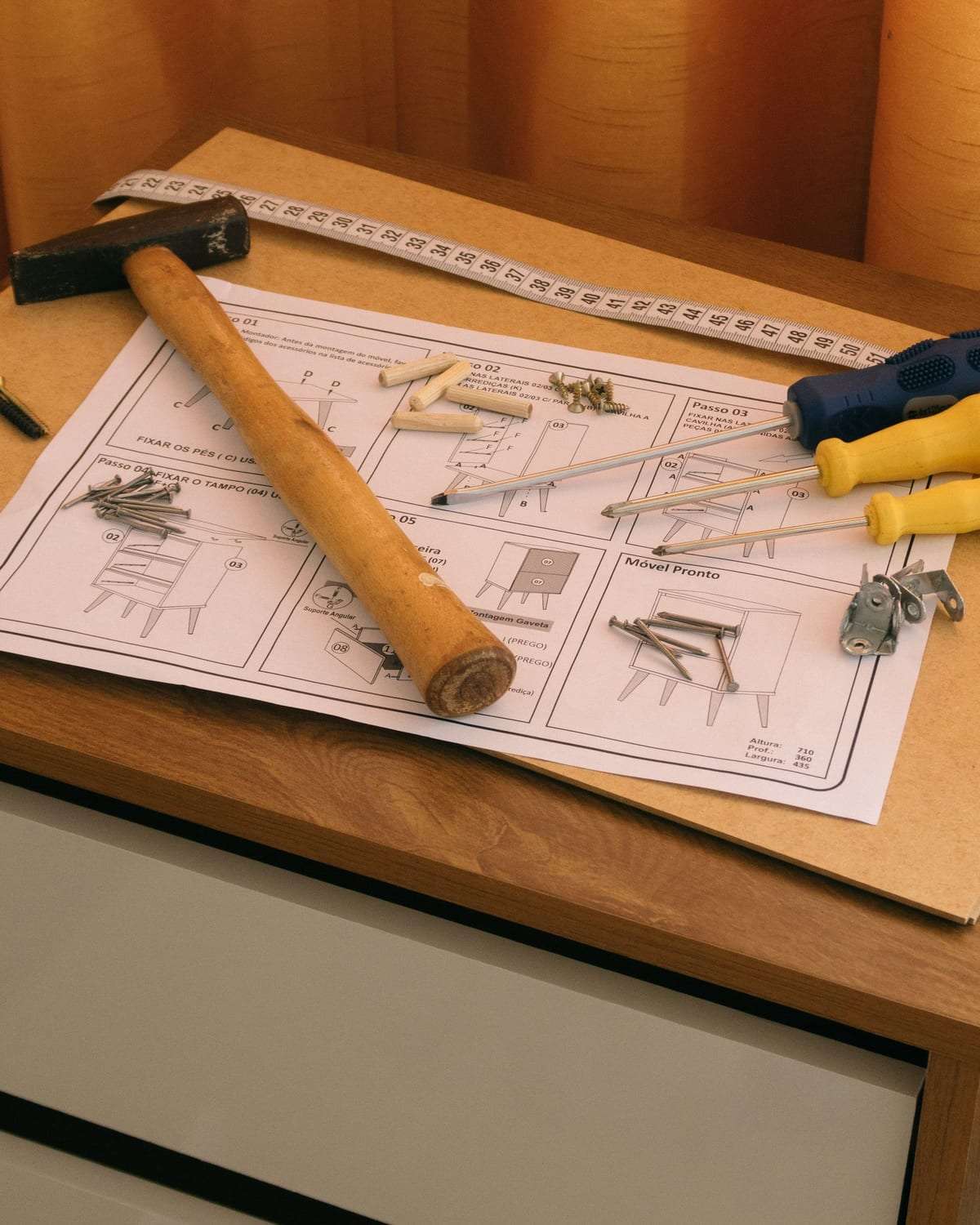
Before the crew leaves, check that large furniture is assembled in place, that doors and drawers work, and that every box has arrived. Read what to check on moving day to see how to check furniture on delivery and record any issue.
In the first week, unpack by priority: kitchen and bedrooms first, then the rest. Wait a few hours before switching on the fridge if it was moved on its side. And update your address with the organisations you deal with.
FAQ
How much time do I need to prepare for a move?
For an average apartment, a month of calm preparation is usually enough; large villas or intercity moves may need more. The key is to request offers and book lifts early.
Should I pack everything myself or leave it to the company?
A common choice is to pack small items yourself and leave furniture, glass and appliances to the crew. Read about packing.
What should I do with furniture I don’t want?
Sell or donate it weeks before the move. Some companies help dispose of it by agreement — mention it in the request.
Do I need to be there on moving day?
Ideally yes, or someone you trust, to direct the crew and check the furniture on delivery.
This guide is general information. Building rules, roads and seasons can change, and details such as the price, what the offer includes and how damage is handled are agreed with the moving company you choose — confirm them in writing before moving day.