When do you need storage?
- When you must leave the old home before receiving the new one.
- When you’re renovating or repainting and need empty rooms.
- When you’re travelling for a long time and want to end your lease.
- When you’re moving somewhere smaller and don’t want to part with some furniture.
- When you’re moving between cities and the truck arrives before the new home is ready.
For a few days between homes, keeping the furniture in the company’s truck may be enough — ask. Storage for weeks or months needs a warehouse.
How storage works with a moving company
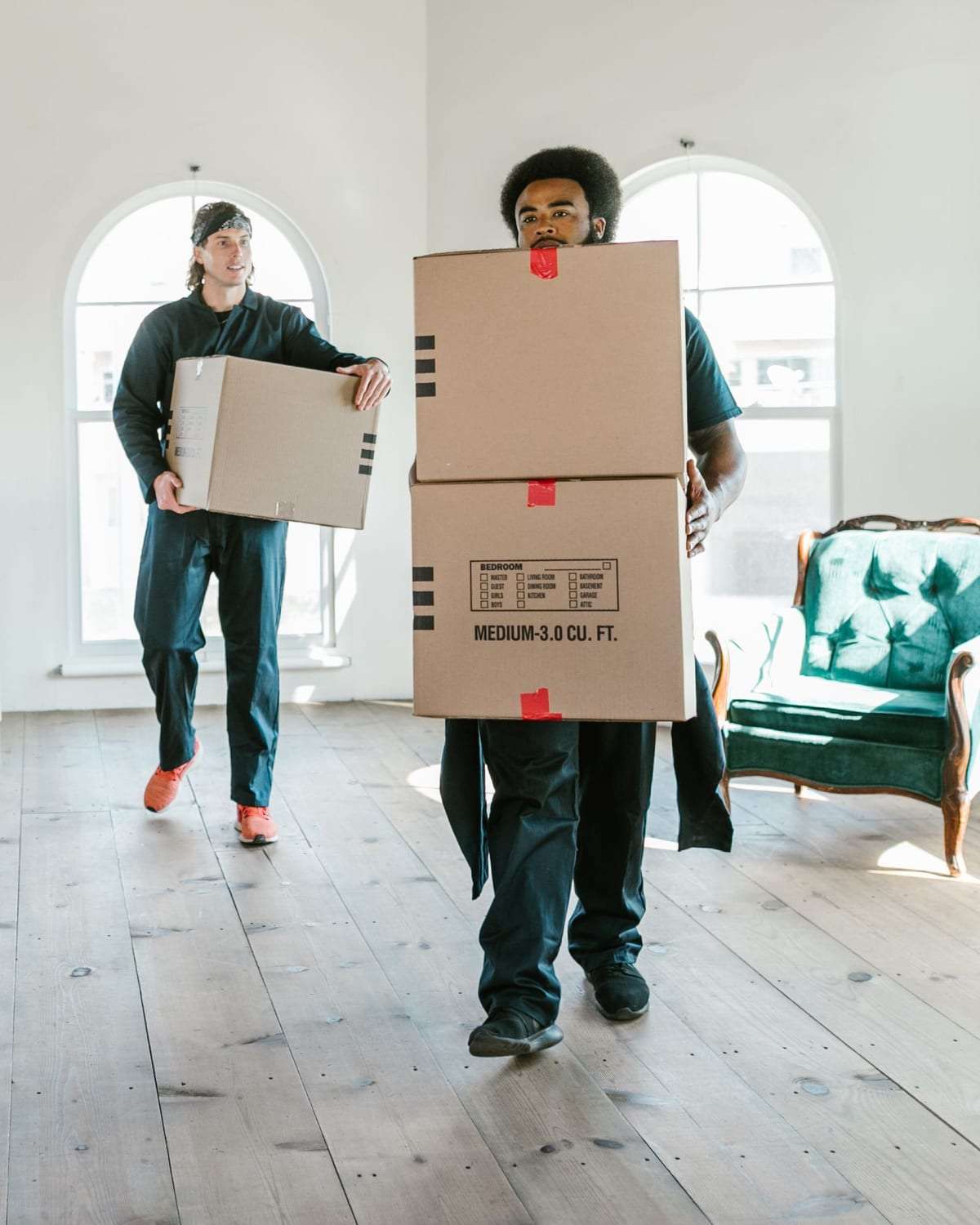
Many moving companies offer storage: the crew dismantles and packs at your home, takes everything to the company’s warehouse, then brings it to your new home and reassembles it when you ask. That’s simpler than dealing with separate moving and storage companies, because one party is responsible from start to finish.
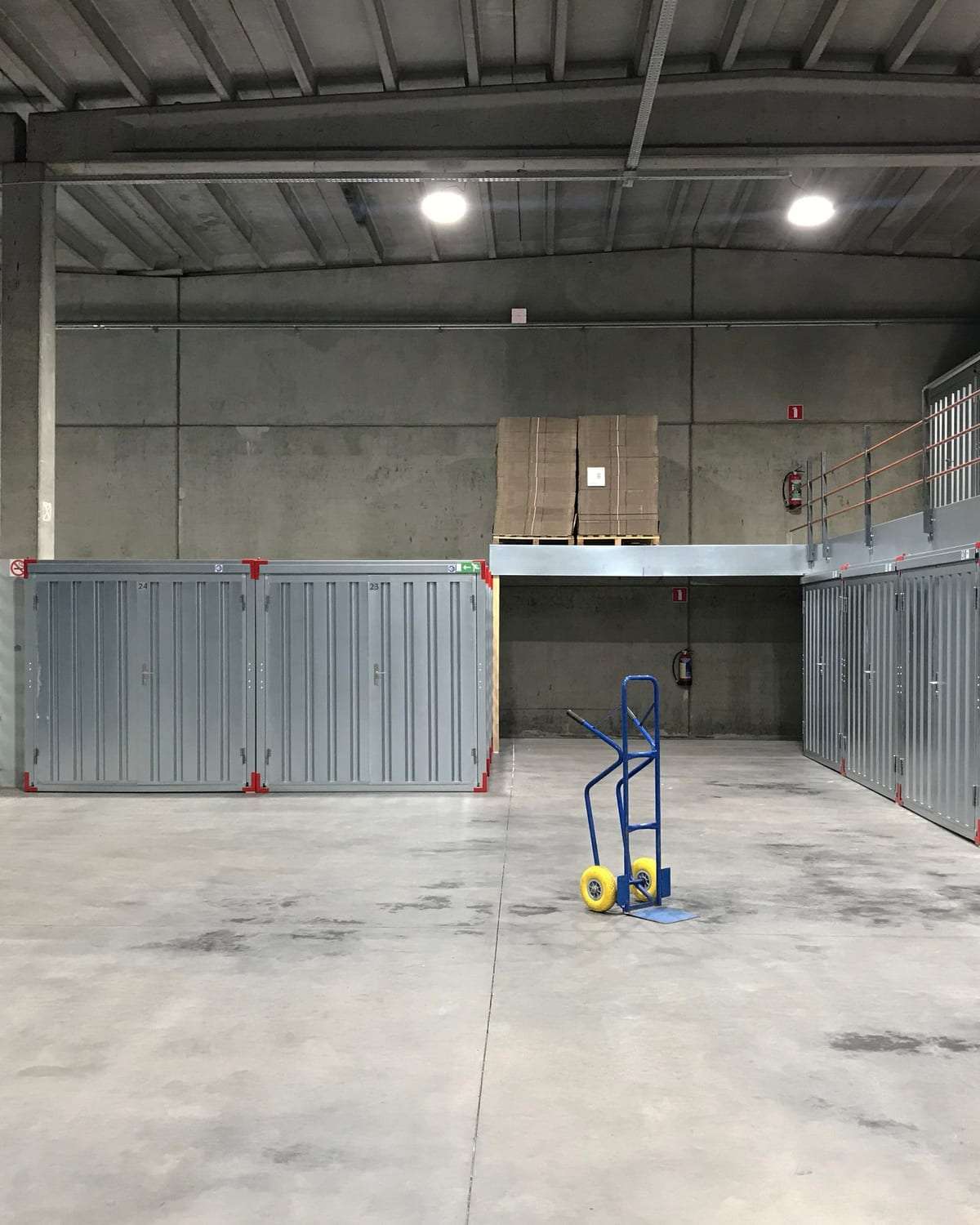
Some warehouses store each customer’s things in a separate room or unit; others use a shared space on pallets or in closed wooden crates. Ask which, because it determines whether you can reach your things and how they’re kept apart from others’.
Packing for storage is different from packing for a move
In an ordinary move, things stay wrapped for hours; in storage, for weeks or months. So they need stronger, cleaner packing:
- Strong new boxes, not used ones — weak boxes collapse under weight over time.
- Clean and fully dry furniture and appliances before wrapping — trapped moisture can cause smells or mould.
- Cover upholstery and mattresses with breathable covers, or film once they’re completely dry.
- Put moisture absorbers in the boxes, especially in coastal cities.
- Dismantle large furniture and keep screws in bags with each piece.
- Don’t store food, flammables or medicines.
Questions to ask about the warehouse
Before handing over your things, ask about these and get the answers in the agreement:
- Where is the warehouse, and can I visit before agreeing?
- How is it protected from heat and humidity? Is it air-conditioned or ventilated?
- What security, cameras and locks are there? Who can reach my things?
- Are my things in a private unit or a shared space?
- Can I access my things during storage, and when?
- What happens if something is damaged or lost? Can cover for stored goods be arranged?
- How is it charged — by month, area or volume? What if I extend or end early?
The inventory: the most important document
The inventory proves what you handed over and what you should get back. Ask for a list of every large piece and the number of boxes, with a note of the furniture’s condition at handover, signed by both sides. Photograph furniture and appliances before storage, and keep a copy of the list and photos.
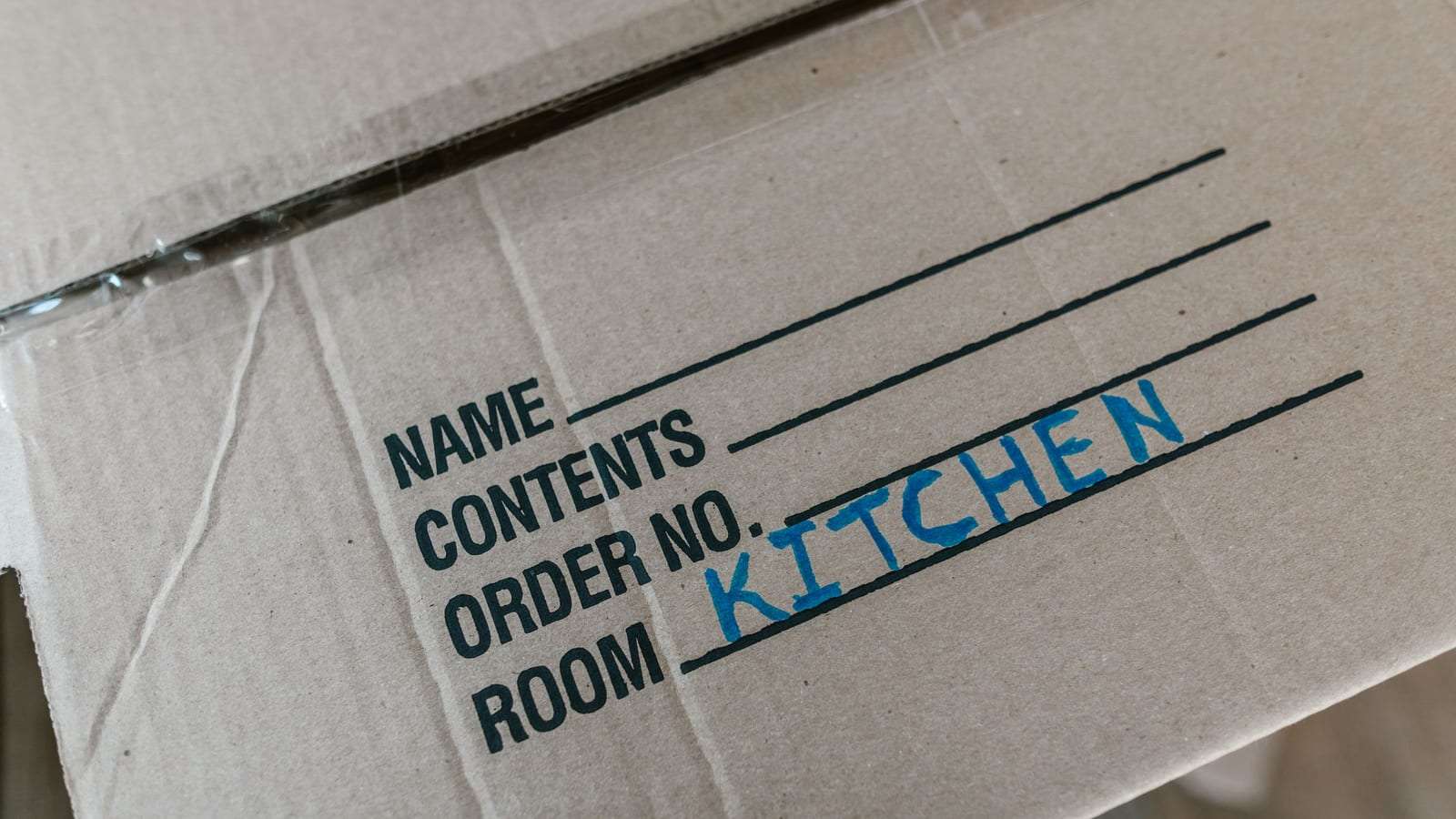
Number the boxes, write the contents on each, and keep a list of what’s in which box. If you need something during storage, you’ll know which box to ask for instead of opening twenty.
Heat and humidity
A warehouse without AC can get very hot in a Riyadh summer, and one in Jeddah or Dammam can be humid. Heat harms electronics, leather and candles; humidity harms wood, fabrics and paper. Ask about the warehouse conditions, and consider keeping the most sensitive things — documents, photos, valuable electronics — with you or a relative rather than in storage.
Air-conditioning isn’t standard in every warehouse, so don’t assume it — ask directly.
Arranging things inside the unit
If you have a private storage unit, how you arrange it decides whether you can reach your things later. Put large furniture and things you won’t need at the back, and boxes you might need at the front. Leave a small aisle in the middle if possible. Don’t stack heavy boxes on light ones, and put nothing on upholstery or mattresses — months of pressure leave a permanent mark.
Raise furniture and boxes slightly off the floor on boards or pallets if you can, to protect them from any water or damp in the floor, and leave a little space between your things and the wall for air.
Storage during renovation
If you’re renovating, you may not need to store everything — only the rooms being worked on. Some companies move furniture to the warehouse in stages as the renovation progresses, then return it to the finished rooms. Agree a flexible return date with the company, because renovation work often runs late.
What not to store
- Important documents, cash and jewellery.
- Food, even tinned — it can attract insects.
- Flammables such as gas cylinders, fuel and paint.
- Plants and anything alive.
- Medicines and things that spoil in heat.
Getting your things back
When storage ends, agree the release date and delivery to the new home with the company well in advance. On delivery, compare what arrived with the inventory, check the furniture’s condition against the photos, and record any issue before the crew leaves. Read what to check on moving day.
FAQ
How long is storage usually?
From a few days between homes to months or a year when travelling or renovating. Agree the period and extension terms in advance.
Are warehouses air-conditioned?
Not always. Ask directly, especially if you’ll store electronics or delicate furniture over the summer.
Can I visit the warehouse?
Many companies allow it before you agree — the best way to see the conditions yourself.
Can I take something out during storage?
It depends on the warehouse. Ask about access times and any fee for retrieving a single item.
Can stored furniture go to another city?
Yes — it can go straight to your new home in another city. Read about moving between cities.
This guide is general information. Building rules, roads and seasons can change, and details such as the price, what the offer includes and how damage is handled are agreed with the moving company you choose — confirm them in writing before moving day.