Appoint one person in charge
Nothing confuses an office move more than a moving crew taking instructions from five people. So appoint one person in charge: they deal with the moving company, both buildings’ management, the IT team and staff. They decide where each item goes in the new office and sign for delivery.
Start with the new office plan
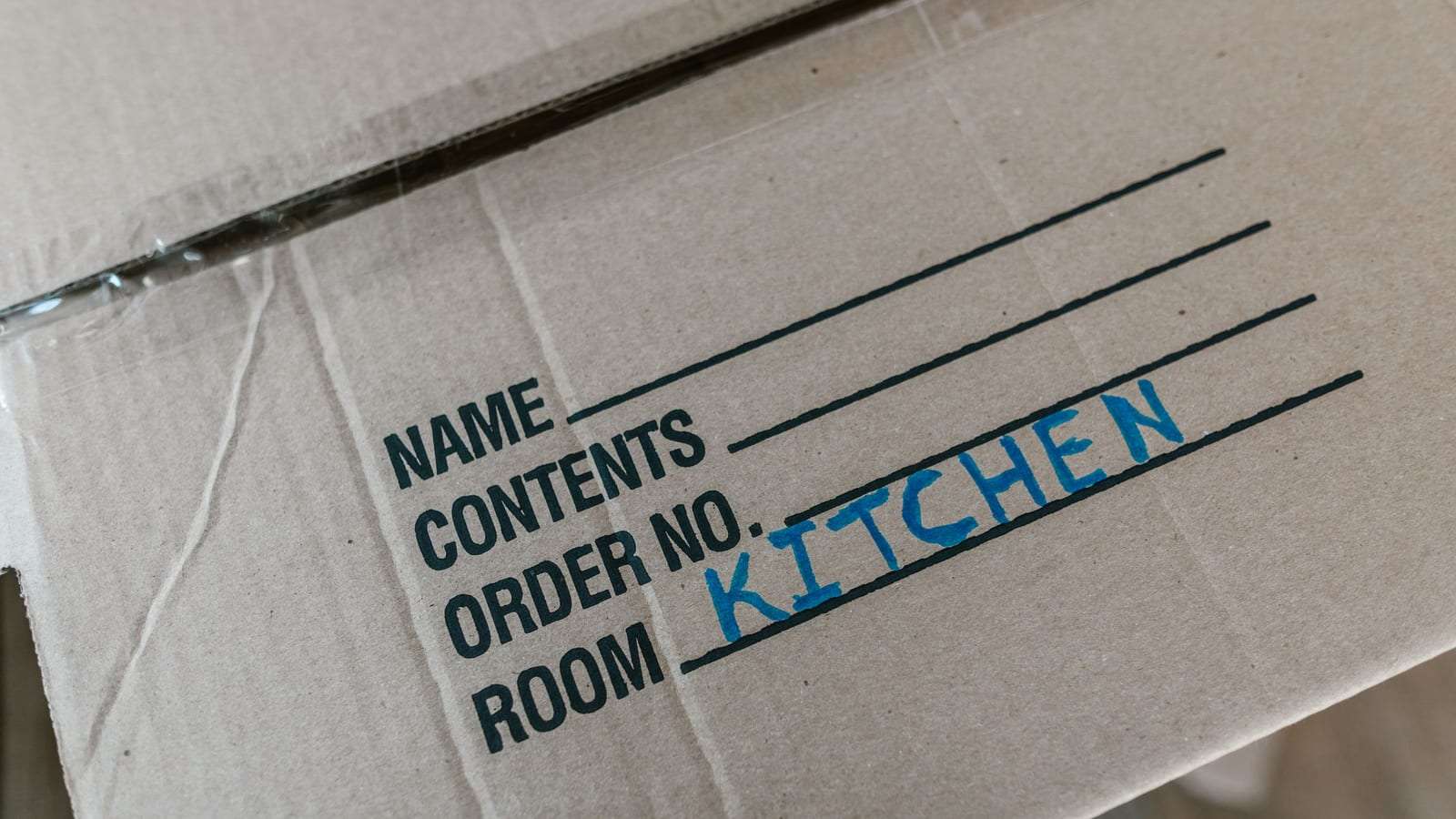
Before requesting offers, sketch a simple plan of the new office: where each department sits, the meeting room, the servers and printers, the archive. Give each room or area a number, and put the same number on every desk, chair and box belonging to that area. This alone saves hours on moving day, because the crew puts everything in the right place first time.
Measure large furniture such as meeting tables and cabinets, and check it fits through the new office’s doors and lifts. Some tables need dismantling; some can’t be dismantled.
The schedule: weekends or after hours
Most companies move offices at the weekend or after working hours, so work starts in the new office on the next working day. Many moving companies work these times especially for office moves, but demand is higher, so book early.
First check that both buildings allow moves at those times. Many commercial towers set moving hours, require a service-lift booking, corridor protection, and sometimes a prior permit and a list of crew names. Ask both buildings’ management before fixing the date.
IT and the network: the most important part
Furniture can be set up in hours, but the network, internet and servers can take days if not arranged in advance. So start with IT: order internet at the new office well before the move, prepare the network and power points, and plan how servers will be moved or shut down.
Before moving day, back up important data, photograph the cabling at the back of devices, and label every device with its owner and area number. Screens and computers are wrapped in bubble wrap and travel upright. Servers and sensitive equipment are best moved by the IT team or under its supervision.
Files, archives and confidential documents
Paper files are heavy and go in small, strong boxes so they don’t tear. Keep their order: number the boxes by cabinet and shelf so the archive goes back as it was. Confidential documents such as employee contracts and financial records are best moved in sealed boxes, or carried by a responsible employee.
It’s also a good chance to clear out: files past their retention period, broken equipment and damaged furniture. But check the legal retention period before destroying any document.
Office furniture
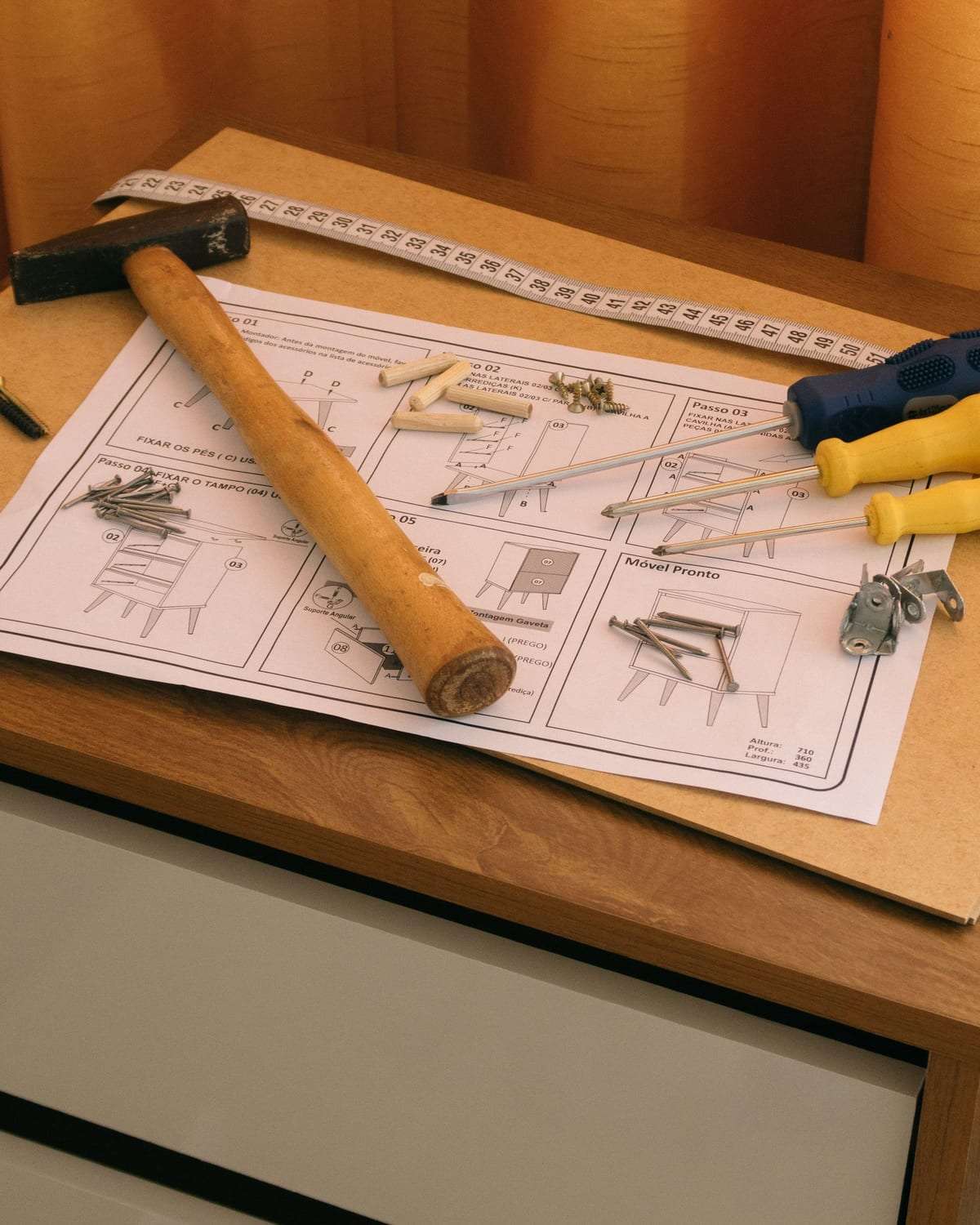
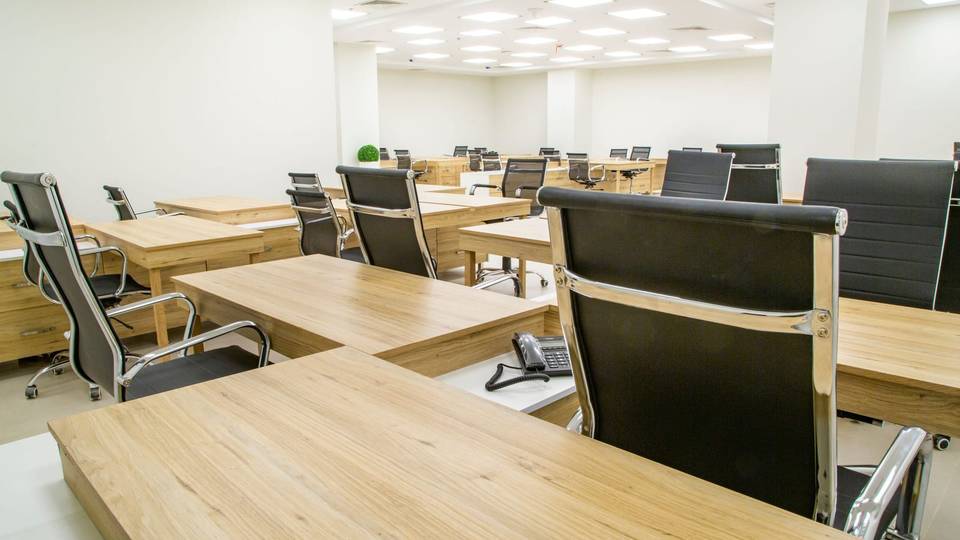
Large desks, open-plan workstations and meeting tables usually need dismantling and reassembly; chairs travel as they are, wrapped. Metal cabinets are emptied before the move and their drawers locked or taped. Read about furniture disassembly and assembly.
If the new office needs new furniture, arrange for it to arrive and be assembled the day before the move or straight after, so old and new don’t get mixed up.
Staff: who does what?
- Tell staff the moving date and new address weeks ahead.
- Ask each employee to pack personal items and desk contents into a box labelled with their name and area number.
- Make clear who works from home on moving day and who comes in to help.
- Send staff a simple map of the new office for day one.
Clients and suppliers
Update the company address on its website, email signatures and invoices, and with suppliers and couriers. Tell clients about the move if it will affect response or delivery times. If you have a sign or reception desk, arrange for it to be moved or installed. Check which official bodies need to know the business’s new address.
Small offices and shops
Not every office move is a major project. A small two- or three-room office, a shop or a small clinic can move in a day with simple preparation. The same principles apply: one person in charge, a plan of the new space, internet ready before the move, and numbered boxes. In shops especially, watch for fixed shelving, signs and special equipment such as payment terminals and cameras, and ask who removes and installs them.
Day one in the new office
Don’t make day one just a day of opening boxes. Ask the crew to assemble desks and chairs and put equipment in place before they leave, and have IT test the network, printers and phones before staff arrive. Prepare what staff need to start work straight away in the morning, and let personal boxes be unpacked over the week.
Keep the moving company’s number handy for the first days — you may find a missing piece or need an adjustment to the assembly.
Handing back the old office
After the move, check the lease: many require the office to be returned as it was — partitions removed, walls repaired and cleaned. Plan for this in the moving schedule, and ask the company to remove furniture and waste you aren’t taking if that’s included. Photograph the office’s condition at handover.
FAQ
How long does a small office move take?
A small office can move in a day or a night with good preparation. Larger offices may need a full weekend or a phased move.
Do moving companies move servers and computers?
They move them wrapped, but disconnecting, reconnecting and starting them up is best supervised by the IT team.
Can the office move in phases?
Yes, department by department, if both offices are available at once. It reduces downtime but needs more organisation.
Can some office furniture be stored?
Yes, if the new office is smaller or not ready. Read about furniture storage.
This guide is general information. Building rules, roads and seasons can change, and details such as the price, what the offer includes and how damage is handled are agreed with the moving company you choose — confirm them in writing before moving day.