Start with a room-by-room inventory
Before requesting offers, walk the villa from roof to yard and write down what’s in each place. Don’t stop at the main rooms — the forgotten places are the ones that surprise you on moving day: the storeroom, laundry, driver’s room, annex, roof, under-stair cupboards and the yard store.
This inventory helps twice: first to decide what to move and what to clear out, and second to describe the villa accurately so the offer is realistic. Many companies ask to visit the villa or see photos before a final offer, which reduces surprises for both sides.
Decide what not to move
Over the years a villa collects many things nobody needs: old furniture in the storeroom, broken appliances, toys the children have outgrown, building materials left from renovation. Every piece you move costs you in packing, carrying and space. A month before the move, clear out what you don’t need: sell, donate or dispose of it properly.
And measure the new villa: is the majlis the same size? Will the bedrooms fit the same furniture? Furniture that won’t find a place isn’t worth moving.
Majlis seating, carpets and heavy furniture
Large Arabic majlis sets, long sofas, heavy carpets and big dining tables need more crew and good wrapping. Carpets are cleaned, rolled and wrapped in film — never folded. Sectional sofas are taken apart where possible. Large tables have their legs removed, and glass or marble tops are wrapped separately.
If the majlis was built for its space — fitted or made to measure for the wall — ask a carpenter whether it can be removed and moved without damage.
Cranes and entrances
In many villas the internal stairs are narrow or winding, so large bedrooms and wardrobes won’t pass even when dismantled. That’s when a crane lowers furniture from a balcony or window. Ask the company whether the villa needs a crane, whether it’s in the offer, and whether it needs street space or a permit.
Check the entrances in the new villa too: the main door width, the stairs and the balconies. If furniture won’t go through the door, better to know before moving day.
One day or more?
A large villa may not move in one day, and it’s better to split the job: a day for packing, a day for dismantling, loading and transport, and a day for reassembly. Or move the non-essential rooms first, then bedrooms and kitchen on the last day. Agree the plan, the number of days, and the trucks and crew for each day with the company.
In summer especially, splitting the work makes it easier on the crew and safer for the furniture, because work pauses at midday. Read the guide to moving in summer.
Kitchen and AC units
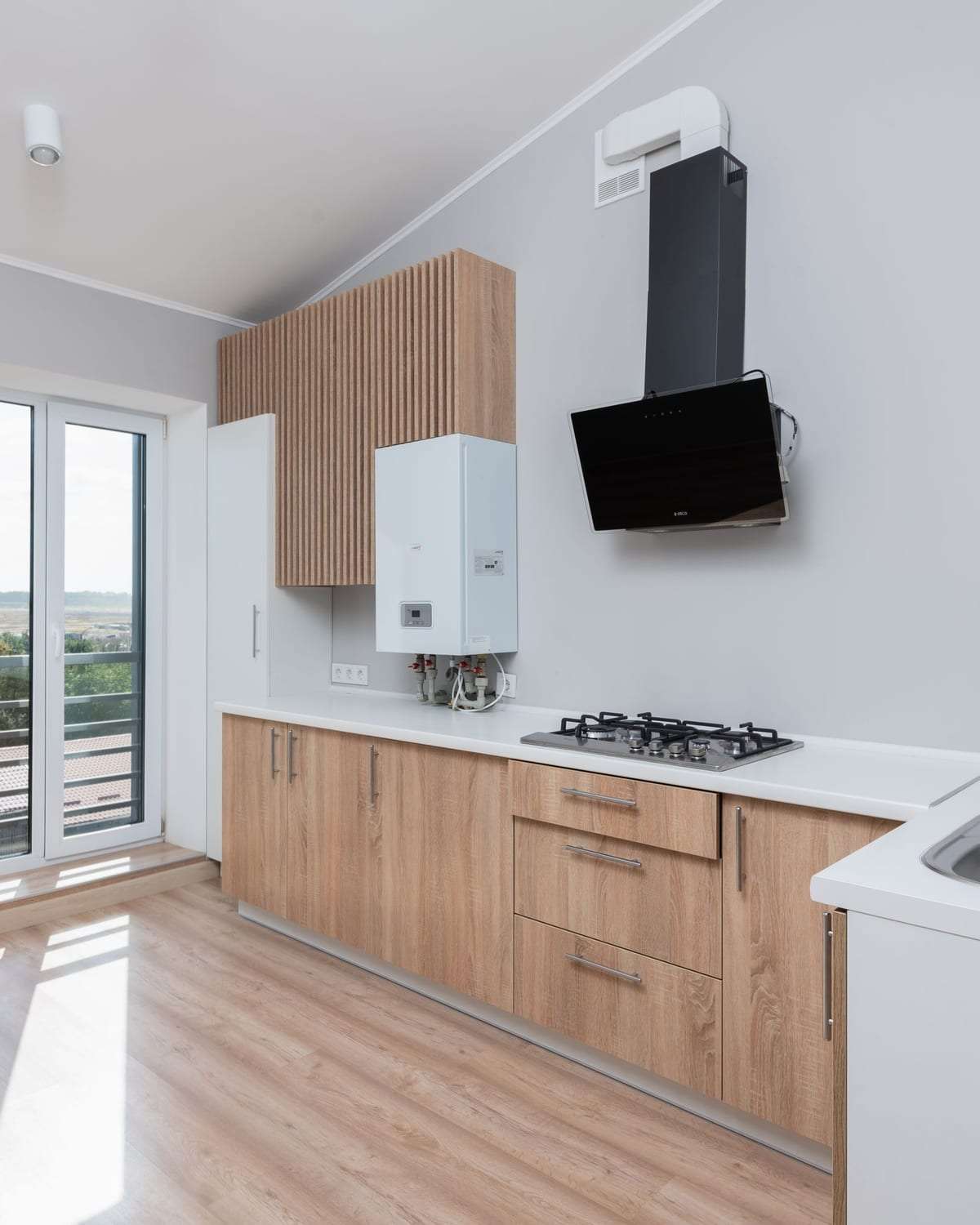
Villas usually have several AC units and sometimes a main and an outdoor kitchen. Decide early whether to move the kitchen and AC units or leave them, as it changes the offer and schedule a lot. Split units need a specialist who handles the refrigerant. Read the guide to moving the kitchen and AC units.
The yard, annexes and roof
A villa yard often holds outdoor seating, shades, children’s play equipment, garden tools, bikes, portable water tanks and barbecues. These are heavy or awkward shapes that need planning in the truck. Include them in the description, clean and dry them before the move, and ask the company about dismantling shades and large play equipment.
The annex, driver’s room and storeroom need their own inventory — they’re often full of things nobody remembers. The roof too.
Chandeliers, curtains and fixtures
Villas have large chandeliers, heavy curtains with their tracks, hanging mirrors and wall-mounted TVs. Taking them down needs skilled workers, and putting them up in the new villa takes time. Ask the company: are removal and installation included? Who handles the electrics for chandeliers? Plan it into the schedule, not after it. Read the guide to packing fragile items.
Prepare the new villa before the move
- Collect the keys and inspect the villa before moving day.
- Check electricity and water work and that some or all of the AC is ready.
- Clean the villa before the furniture arrives — it’s harder afterwards.
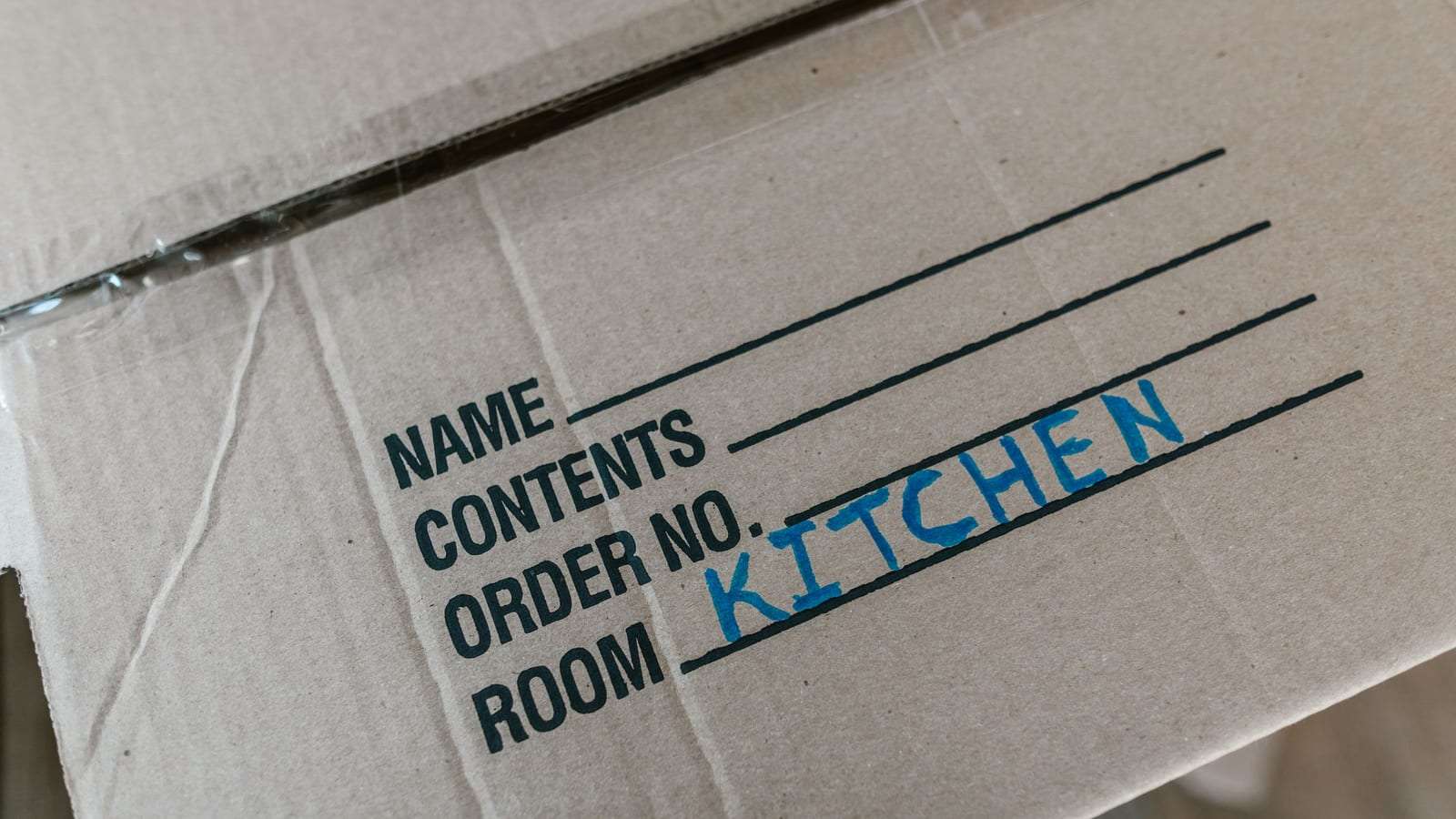
- Put a number or name on each room’s door matching the labels on the boxes.
- Decide where the truck — and the crane if needed — will stand.
The driver’s and housekeeper’s rooms
If you have a driver or housekeeper, their belongings are part of the move and their rooms need preparing in the new villa. Ask them early what needs moving, help them pack and label boxes with their names so nothing mixes with the household’s things, and set up their rooms on day one — they’ll be helping you settle in over the following days.
Moving day
In a villa the crew needs direction at both homes, so it’s best to have one person at the old villa and one at the new. Start early, and ask for bedrooms and the kitchen to be loaded last so they’re assembled first. Before the crew leaves, check the furniture and boxes. Read what to check on moving day.
FAQ
How long does a villa move take?
It depends on the size, floors and services needed. Large villas may need two or three days across packing, moving and reassembly.
Will the company visit the villa before the offer?
Many prefer to for villas, or ask for photos and a video. It makes the offer more accurate.
Will I need a crane?
If the stairs are narrow or furniture is large and can’t be dismantled, a crane is faster and safer. The company decides after seeing the villa or photos.
Can a villa be moved in stages?
Yes, and it’s better for large villas. Agree the plan of days and what moves on each with the company.
What about surplus furniture?
Sell or donate it before the move, or store it if you’ll need it later. Read the furniture storage guide.
This guide is general information. Building rules, roads and seasons can change, and details such as the price, what the offer includes and how damage is handled are agreed with the moving company you choose — confirm them in writing before moving day.